
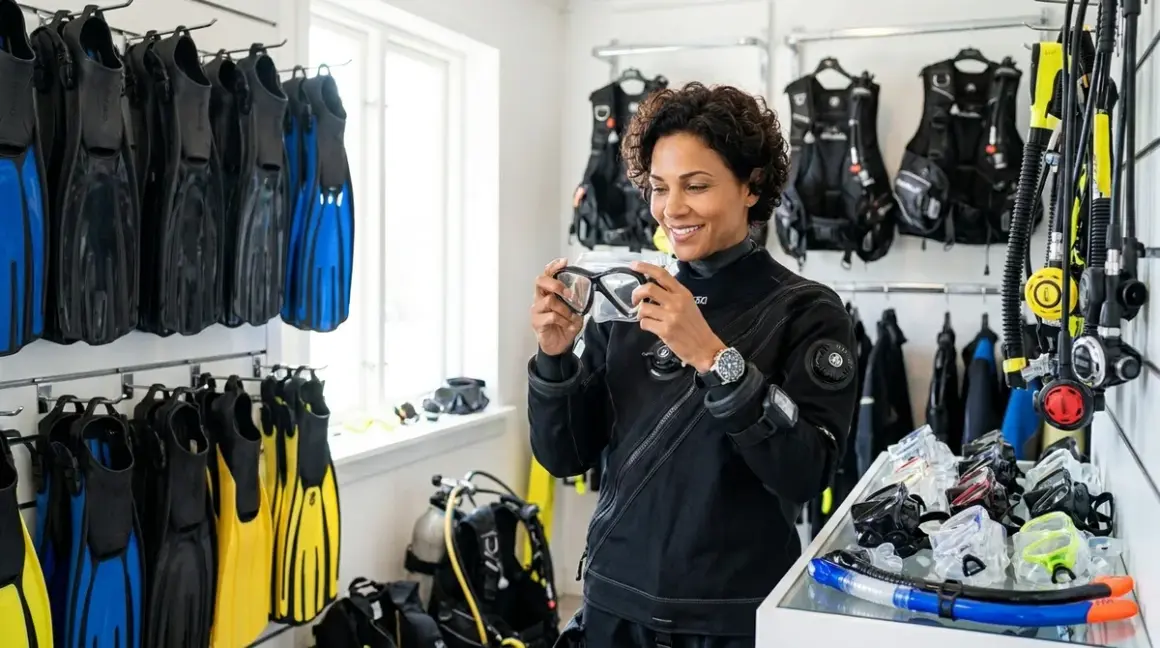

When I bought my first piece of dive gear three years ago, I had no idea what I was doing. I bought everything at once, spent way too much money, and ended up with stuff I barely used. This first scuba gear purchase checklist is here to help you avoid those mistakes. I'm sharing the order I wish I'd followed, broken down by priority and timing, so you can build a gear collection that actually makes sense for how you dive. Whether you're still using rental gear or ready to invest in your first reg, this guide walks you through what to buy, when to buy it, and why the sequence matters more than you'd think.
Personal Gear You Should Buy Immediately (Before Dive 10)
These are the items I tell every new diver to get right away. They're inexpensive, make every dive more comfortable, and honestly, using rental versions of these feels gross once you've had your own.
Mask that actually fits your face. A leaking mask ruins dives faster than anything else, and rental masks never quite seal right. I wasted my first 15 dives constantly clearing water because I thought mask leaking was just normal. Get one that fits—our guide on how to choose a scuba mask walks through the fit test that finally worked for me. Look for soft silicone skirts and try before you buy if possible.
Defog solution or baby shampoo. I'm lumping this with mask purchases because a fogged mask is almost as bad as a leaking one. I learned about preventing mask fogging the hard way after spending an entire dive in Cozumel basically blind. Spit works in a pinch, but actual defog is cheap and way more effective.
Your own snorkel. Even though I rarely use mine during dives anymore, dive operators often require them, and rental snorkels are disgusting. Just get a simple foldable one—it takes up no space and costs less than two fancy coffees.
Dive logbook or digital logging system. Okay, this isn't gear exactly, but tracking your dives matters more than I realized at first. I use an app now, but I still love my physical logbook for noting things like "that weird current at 60 feet" or "saw three turtles here." Your memory isn't as good as you think it'll be.
Reef-safe sunscreen and basic sun protection. I'm adding this because I got absolutely fried on my first dive trip and could barely wear my BCD straps the next day. Protect your skin between dives—you'll be spending a lot of time on boats.
Wetsuit or exposure suit that fits properly. This was my actual first gear purchase, and I should've done it sooner. Rental wetsuits never fit right, they're often worn out and thin in weird places, and they smell like... well, like they've been on a hundred other people. I started with a basic 3mm for Belize waters, but if you're diving colder spots, check out how to choose a wetsuit based on water temperature. A wetsuit that fits correctly keeps you warm, protects your skin, and honestly just makes you feel more like a real diver instead of someone borrowing everything.
Dive computer. I know this one's more expensive, but it's honestly the most important piece of safety equipment you'll own. I bought mine after about 20 dives, and I wish I'd done it sooner. Rental computers are fine, but having your own means you know how it works, you can review your dive profiles later, and you're not stuck with whatever random model the shop has available. I went with a basic wrist-mounted model to start—nothing fancy with air integration yet—and it's been perfect for recreational diving. Our guide on how to choose a dive computer helped me figure out which features actually matter for beginners versus which ones are just cool but unnecessary.
Fins and Booties: Your Second Investment Wave (Dives 10-30)
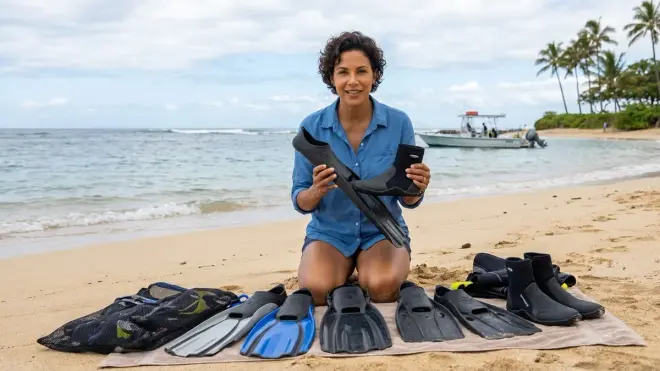
Once you've got your personal items sorted, fins are the next logical step. I held off on these longer than I should have because I didn't realize how much rental fins were slowing me down and cramping my feet.
Open-heel fins with adjustable straps. I tried buying full-foot fins first because they seemed simpler, but they're really only good for warm-water snorkeling. Open-heel fins with adjustable straps work with booties, fit better, and give you way more power. The scuba fin sizing guide finally helped me figure out that I was using rental fins two sizes too small, which explained the constant foot cramps.
Dive booties that match your fin pocket size. You can't use open-heel fins without booties, and the thickness of your bootie affects fin sizing, which confused me at first. I went with 5mm neoprene booties for reef walking and warmth, plus they protect your feet on those rocky shore entries. Just make sure you try fins on while wearing the booties you'll actually dive in.
Spring straps to replace standard rubber ones. This is a small upgrade that makes such a difference. Standard rubber fin straps are a pain to adjust, especially when your hands are cold or you're on a rocking boat. I replaced mine with spring straps after about six months, and now I can get my fins on and off in seconds. They cost around $30-40 and they're worth every penny.
Fin keepers or bungee for traveling. Just a simple tip—get something to keep your fins together in your bag. I lost one fin of my first pair somewhere between the dive boat and my hotel, and I'm still mad about it.
Mesh gear bag for wet stuff. Once you own fins and a wetsuit, you need something to carry them in that actually drains. Regular bags trap water and get nasty fast. I use a basic mesh dive bag that cost maybe $20 and it's been perfect for day trips.
The Big Purchase: Regulator and BCD (Dives 30-50)
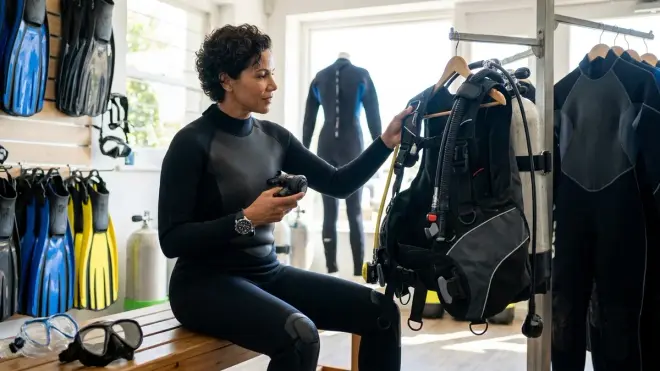
This is where your first scuba gear purchase checklist gets expensive. I waited until I had about 40 dives before buying my regulator and BCD, and that timing felt right for me. By then I knew I was committed to diving regularly, and I understood enough about my diving style to make informed choices.
Regulator set with first stage, second stage, and octopus. This is probably the scariest purchase because it's expensive and super technical-sounding. I went with a basic piston regulator that works for warm-water recreational diving—nothing fancy, but reliable. The complete guide to scuba regulators helped me understand what I actually needed versus what's overkill for someone doing reef dives in the Caribbean. Make sure you get the yoke or DIN fitting that matches the tanks at your usual dive spots—I learned about DIN vs yoke differences right before buying.
Comfortable BCD that matches your diving style. I tried on probably eight different BCDs before finding one that felt right. Back-inflate versus jacket-style is a whole thing—I went with back-inflate because I liked the trim better underwater, but honestly both work fine for recreational diving. The key is making sure it fits your torso properly and has enough lift capacity for your gear and exposure suit. Our article on how to choose your first BCD covers this way better than I can, but definitely try before you buy if possible.
Pressure gauge or console if not included with reg. Some regulator packages include this, some don't. You need to know how much air you have, obviously. I went with a simple analog gauge at first, before I upgraded to an AI computer later.
Regulator bag for travel protection. Regulators are weirdly delicate for something that seems so rugged. Get a padded bag or case to protect the first stage and keep all the hoses from tangling. I learned this after my second stage got banged up in my checked luggage.
Maintenance and service plan. This isn't gear exactly, but budget for it. Regulators need servicing annually or every 100 dives, and BCDs need occasional maintenance too. Understanding how to service a scuba regulator and the BCD maintenance schedule before you buy helps you budget for the real cost of ownership.
Advanced Additions and Specialty Gear (After 50+ Dives)
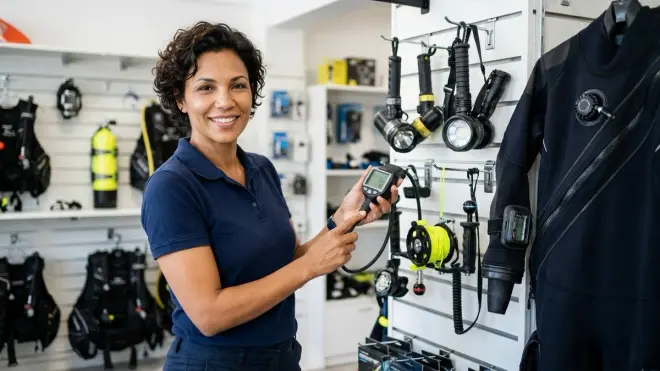
Once you've got the basics covered, your first scuba gear purchase checklist evolves into adding gear for your specific interests. This is where I am now—picking up pieces based on the kind of diving I'm doing most.
Underwater camera or housing. I saved this for last, but honestly it became my favorite piece of gear. I started with a basic point-and-shoot in a housing before upgrading to something more serious. Underwater photography completely changed how I experience dives—I actually look at things more carefully now instead of just swimming past. The underwater photography gear checklist covers everything you need to start shooting, and there's good info on camera settings that helped me get past the "everything looks blue and blurry" phase.
Better dive light or backup light. I started with a cheap rental light, upgraded to a decent primary light, and now I'm actually thinking about light positioning for photography. Even if you're not shooting photos, a good light brings out colors at depth and lets you peek into crevices where the cool stuff hides.
Surface marker buoy and spool. I didn't buy this until I started doing more drift dives and boat dives in current. Now I won't dive without it. Safety gear matters, and knowing how to deploy an SMB is one of those skills that separates nervous divers from confident ones.
Dry bag for electronics and personal items. You're on boats constantly, and your phone, wallet, and keys need protection. I use a small waterproof dry bag that stays in my main dive gear bag and keeps everything safe even if waves come over the bow.
Dive knife or cutting tool. I resisted this one because I thought it was overkill for reef diving, but after getting tangled in fishing line once, I changed my mind real fast. Get a small titanium knife or line cutter and mount it somewhere accessible.
Rash guard or skin suit for sun protection. Even under your wetsuit, extra sun protection helps. I wear a long-sleeve rash guard on every dive now, and it's saved me from so much sunburn between dives.
Upgraded dive computer with features you actually need. After a couple years with my basic computer, I'm now looking at models with better battery life, air integration, and maybe even some of those biometric monitoring features that are getting more common. Understanding different dive computer algorithms helped me figure out what actually matters for the diving I do versus what's just marketing hype.
Final Check Before You Go
Here's your condensed first scuba gear purchase checklist in priority order—bookmark this and buy gear as your diving progresses:
Buy immediately (before dive 10):
- Mask with proper fit
- Defog solution
- Snorkel
- Dive log
- Sun protection
- Wetsuit that fits
- Basic dive computer
Buy after 10-30 dives:
- Open-heel fins
- Dive booties
- Spring straps
- Mesh gear bag
Buy after 30-50 dives:
- Regulator set
- BCD
- Pressure gauge/console
- Regulator bag
- Service plan budget
Add after 50+ dives based on your interests:
- Underwater camera
- Better lights
- Safety gear (SMB, cutting tool)
- Dry bags
- Specialty equipment for your diving style
Remember that this timeline isn't rigid—I know people who bought their full kit after Open Water certification and others who rented for two years. Your first scuba gear purchase checklist should match your diving frequency and commitment level. Just don't make my mistake of buying everything at once before you know what you actually need.
Frequently Asked Questions
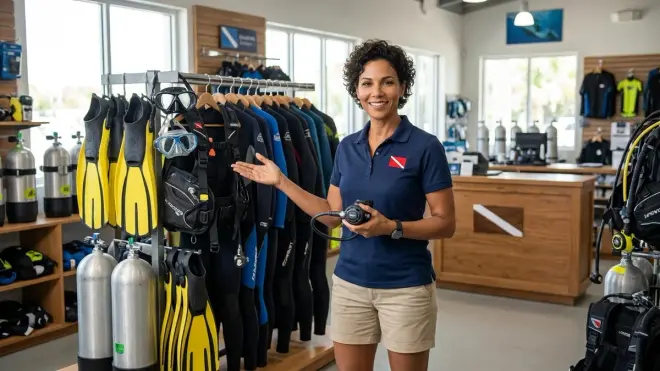
Should I buy all my scuba gear at once or piece by piece? Buy piece by piece, starting with personal items like your mask and wetsuit, then adding fins, and finally investing in your regulator and BCD after you have 30-50 dives. Buying everything at once before you understand your diving style usually means you end up with gear that doesn't quite fit your needs, and you'll spend more money overall replacing things. I learned this the expensive way when I bought fins that were totally wrong for my kick style, and I had to replace them six months later.
How much should I budget for my first complete scuba gear setup? A complete basic setup usually runs around $1,500-2,500 depending on brands and whether you buy new or used. Mask, wetsuit, fins, and booties together cost around $400-600, a basic dive computer adds $300-500, and a regulator plus BCD together run around $800-1,400 for entry-level gear. I spread my purchases over about 18 months, which made the cost way more manageable than dropping two grand all at once, and it let me figure out what quality level I actually needed before committing to the expensive stuff.
Is it worth buying used scuba gear as a beginner? Used masks, fins, BCDs, and wetsuits can be great deals if they fit properly and aren't too worn out, but I'd be really careful with used regulators unless you know their service history and budget for immediate servicing. I bought my BCD used from another diver at my local shop and saved probably $300, but I bought my regulator new because I wanted the warranty and service plan. The article on buying new vs used scuba gear covers the safety considerations way better than I can, especially for life-support equipment like regs.
Final Thoughts
Building your dive gear collection doesn't have to happen all at once, and honestly it probably shouldn't. Your first scuba gear purchase checklist is really a roadmap that unfolds over months or even years as you figure out what kind of diver you're becoming.
I'm still adding pieces to my kit three years in—just ordered a better underwater strobe last month, actually—and that's totally normal. The gear serves the diving, not the other way around. Start with what makes you comfortable and safe, add pieces when your skills and diving frequency justify them, and don't let anyone pressure you into buying stuff you're not ready for.
The ocean will still be there next month. Take your time, do your research, try stuff when you can, and build a gear collection that actually fits your diving life. I promise it's way more satisfying than showing up to dive 5 with a full kit you barely know how to use.