


I remember standing in my apartment after my first few dives, staring at a growing pile of wet dive gear spread across my bathroom floor—fins dripping onto towels, my BCD leaning awkwardly against the shower, salt crystals forming on everything. I kept thinking, "there has to be a better way to handle all this stuff." That's when I realized I needed to understand what a scuba gear bag actually is and why it matters so much more than I'd thought. If you're wondering the same thing, you're in the right place.
What Is a Scuba Gear Bag?
A scuba gear bag is a specialized piece of luggage designed specifically to transport, store, and organize your diving equipment. Unlike a regular duffel bag or suitcase, these bags are built to handle the unique challenges that dive gear creates—salt water exposure, heavy equipment weight, sharp edges from fins and clips, and the constant need for drainage and ventilation.

When I first started diving, I honestly just threw my gear into a cheap gym bag. Big mistake. Within three trips, the bottom had started to rip from the weight of my regulator and dive computer, and the whole thing smelled like a marine biology lab gone wrong because nothing could dry properly.
What is a scuba gear bag really doing for you? It's managing moisture, protecting expensive equipment from damage during transport, keeping everything organized so you're not frantically searching for your mask before a boat departure, and making sure you're not that person whose gear is dripping all over the dive shop floor. These bags come in various styles—from simple mesh totes that let everything drain and breathe, to heavy-duty roller bags with compartments for every piece of gear you own.
The key difference between a scuba gear bag and regular luggage is purpose-built design. Most feature reinforced bottoms, corrosion-resistant zippers and hardware, drainage grommets, mesh panels for airflow, and materials that can handle repeated salt water exposure without falling apart. Some are designed for specific scenarios like travel (lightweight, packable), boat diving (quick drainage), or comprehensive gear storage (padded compartments for cameras and computers).
How Scuba Gear Bags Work

The functionality of what a scuba gear bag does comes down to solving four main problems that every diver faces: transportation, organization, drainage, and protection.
Transportation is the obvious one, but there's more to it than just having handles. A good scuba gear bag distributes weight efficiently because dive equipment is heavy—my full kit weighs around 40-45 pounds, and that's without my underwater photography gear. Bags designed for diving typically have reinforced stitching at stress points, padded shoulder straps (trust me, you'll feel the difference after walking from a parking lot to a dive boat), and many feature wheels or roller systems that make moving your gear so much easier. I learned this the hard way carrying a non-wheeled bag through an airport in Costa Rica—my shoulders were sore for days.
Organization separates a purpose-built dive bag from throwing everything into a random container. Most scuba gear bags have multiple compartments or pockets designed for specific equipment. There's usually a separate area for wet items versus dry items, pockets sized for regulators and gauges, clips for keys or accessories, and sometimes even dedicated spaces for dive computers or cameras. When you're on a rocking boat trying to get ready for a dive, being able to find your mask defog or spare o-rings without dumping everything out is genuinely valuable.
Drainage is where dive bags really show their specialized design. Regular luggage traps water, which leads to mildew, corrosion on metal parts, and that unforgettable smell that no amount of Febreze can fix. Scuba gear bags typically incorporate mesh panels, drainage grommets at the bottom, or are made entirely of mesh material. After a dive, you can rinse your gear and toss it in the bag without worrying about creating a swamp. The water drains out, air circulates, and things actually dry.
Protection might not seem critical until you've watched baggage handlers throw luggage around at an airport. Your BCD, regulator, and dive computer represent hundreds or thousands of dollars of investment. Better dive bags offer padded compartments, rigid bottom panels that prevent crushing, and protective materials that cushion your gear from impacts. I've also learned to appreciate bags with lockable zippers—not because dive theft is common, but because it gives me peace of mind when checking bags during travel.
The materials matter too. Most quality scuba gear bags use heavy-duty nylon (typically 400-1000 denier) or reinforced PVC for durability. Hardware like zippers, buckles, and D-rings needs to be corrosion-resistant—stainless steel or heavy-duty plastic—because regular metal hardware will corrode surprisingly fast in a salt water environment. I've had zippers seize up on cheaper bags after just a few dive trips.
Why a Proper Scuba Gear Bag Matters
Honestly, this confused me at first too. I kept thinking, "Why can't I just use what I already have?" After a few frustrating experiences, I figured it out: the right bag makes diving more enjoyable and protects your significant gear investment.
The financial protection aspect is real. Between my BCD, regulator, computer, wetsuit, and all the accessories, I've spent over $2,000 building my kit piece by piece. Storing and transporting that gear improperly can lead to damage—cracked plastic housings, bent regulator hoses, corroded metal parts, or fabric deterioration from trapped moisture. A around $100-150 investment in a quality dive bag protects thousands of dollars worth of equipment. That math makes sense.
Convenience and logistics matter more than I expected when I started. Having an organized system means I can pack efficiently, find things quickly, and not forget critical items. There's nothing worse than arriving at a dive site and realizing your mask is still sitting on your bathroom counter because you were digging through a disorganized mess while packing. A proper dive bag with compartments creates a system—everything has a place, so you notice immediately if something's missing.
The hygiene and longevity factor is huge. Dive gear that stays wet or doesn't dry properly between uses deteriorates faster. Neoprene wetsuits can develop permanent odors, nylon webbing on BCDs can mildew, and metal components corrode. A bag designed for drainage and ventilation helps your gear dry properly, which extends its lifespan. I'm still figuring this out myself, but proper storage between dives has made a noticeable difference in how my gear holds up.
Types and Variations of Scuba Gear Bags

Once I started researching what a scuba gear bag could be, I realized there's actually a lot of variety depending on what kind of diving you do. Here are the main categories I've encountered:
Mesh dive bags are probably the most common for recreational divers. These are exactly what they sound like—bags made primarily from heavy-duty mesh material. They're lightweight, allow complete drainage, and are perfect for boat diving or beach entries where your gear will be wet. The downside is they offer basically zero protection for delicate items and aren't great for air travel. I use a mesh bag for local boat dives, and it's perfect for that purpose—I can rinse everything right in the bag and hang it to dry.
Roller bags or gear haulers are the heavy-duty option for divers with complete kits or those who travel frequently. These typically have wheels, telescoping handles, and enough space for everything including your fins, BCD, regulator, wetsuit, mask, and accessories. Many have both mesh sections for wet gear and enclosed compartments for dry items or electronics. They're bulkier and heavier, but if you're traveling to dive destinations or walking any distance with your gear, the wheels make a massive difference.
Backpack-style dive bags offer a middle ground. They're more compact than roller bags, easier to carry in situations where wheels don't work (rocky beaches, boat ladders, stairs), and usually have better organization than simple mesh bags. I've been looking at these for traveling to more remote dive sites where I need mobility but still want some structure and protection.
Regulator bags and accessory cases are smaller specialized options for protecting specific gear. These make sense if you're traveling and want to pack your main gear in checked luggage but keep your regulator and computer as carry-on items. They're usually padded, have dividers, and are sized to fit specific equipment configurations.
There's also the whole category of travel-specific bags designed to meet airline size and weight restrictions while still protecting your gear. These tend to be more compact, sometimes with compression straps, and designed to maximize space efficiency. For divers who travel frequently, understanding the difference between dive gear bags and travel bags becomes pretty important.
Frequently Asked Questions
What features should I look for in a scuba gear bag?

The most important features in a scuba gear bag are adequate drainage (mesh panels or grommets), durable materials that resist salt water corrosion, reinforced construction at stress points, comfortable carrying options for the weight you'll be hauling, and enough capacity for your complete kit with some room for accessories. I'd also look for separate compartments to keep wet and dry items apart, and corrosion-resistant hardware like stainless steel or heavy-duty plastic zippers and buckles.
Can I use a regular duffel bag for my dive gear?
You can technically use a regular duffel bag, and I did for my first several dives, but you'll quickly encounter problems with drainage, durability, and organization. Regular duffel bags trap water which leads to mildew and gear corrosion, they're not built to handle the weight and sharp edges of dive equipment, and they usually don't have the compartmentalization that makes packing and finding gear easier. If you're only diving occasionally, a regular bag might work temporarily, but it's not a long-term solution.
How do I clean and maintain my scuba gear bag?
I rinse my scuba gear bag with fresh water after every dive trip, just like I do with my actual dive equipment. For mesh bags, I spray them down thoroughly and hang them to dry completely before storage. For bags with enclosed sections, I rinse them out, leave all compartments open, and make sure they dry completely to prevent mildew. Periodically I check zippers and hardware for signs of corrosion, and I lubricate zippers with zipper wax or a little silicone spray to keep them functioning smoothly. Proper rinsing and drying between uses extends the bag's life significantly.
What size scuba gear bag do I need?
The size depends on what you're carrying and how you dive. If you're a recreational diver with a full kit including BCD, regulator, wetsuit, fins, mask, and accessories, you'll want a bag in the 100-150 liter range for everything together. If you're only carrying some items or using a bag specifically for boat dives where you leave gear at the dive shop between days, a smaller 50-80 liter mesh bag might be sufficient. I started with a medium mesh bag and later added a larger roller bag for travel—having both covers different situations.
Are expensive scuba gear bags worth it?
Based on my experience, yes, quality scuba gear bags justify their cost through durability and functionality. I've gone through two cheap bags that fell apart within months before investing in a better one that's lasted over two years so far with no signs of failure. Cheap bags often have inferior zippers that corrode or jam, stitching that tears under load, and materials that degrade quickly. A quality bag in the around $100-200 range protects gear worth thousands of dollars and lasts for years, which makes the economics work out. That said, you don't need the absolute most expensive option—mid-range bags from established dive brands typically offer the best value.
Summary
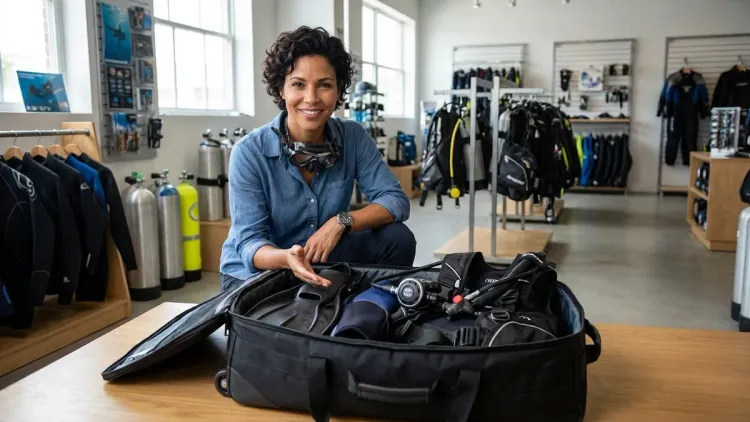
What is a scuba gear bag? It's far more than just a container for your equipment. It's a purpose-built system designed to transport, organize, protect, and maintain your dive gear through the unique challenges of salt water, weight, drainage, and repeated use. Whether you choose a simple mesh bag for local boat dives, a heavy-duty roller bag for travel, or something in between, having the right bag makes your diving life easier and protects your equipment investment.
I wish someone had explained all this to me when I started diving. I would've saved money on cheap bags that fell apart, avoided some frustrating moments digging through disorganized gear, and probably extended the life of some equipment that got damaged from improper storage. Now that I've learned these lessons, my dive bag setup works for me—and hopefully this guide helps you figure out what works for your situation without the trial and error I went through.
For more guidance on managing your complete setup, check out our complete guide to scuba diving gear bags and our dive gear bag packing checklist to make sure you're not forgetting anything important before your next adventure.