
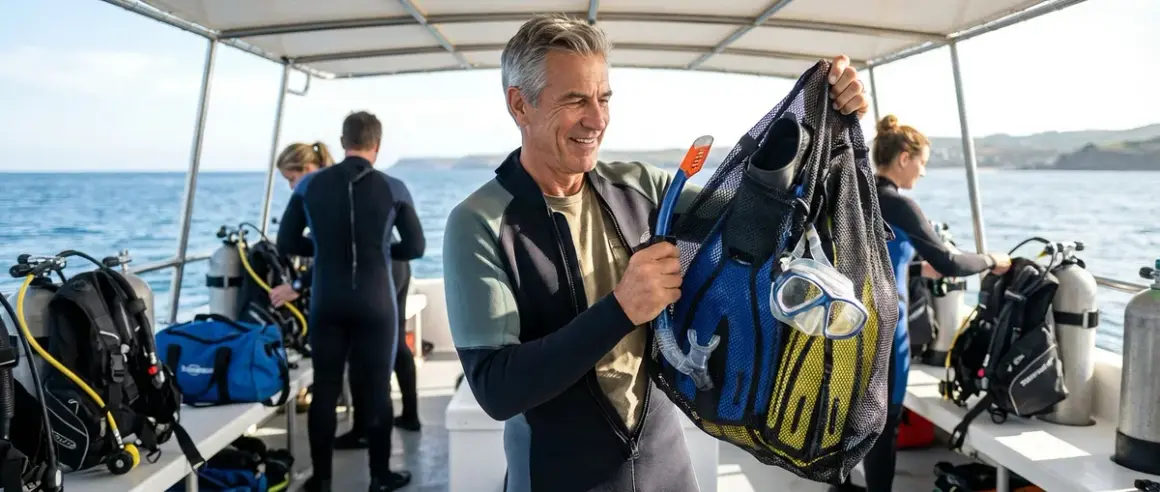

I've seen more dive trips ruined by bad gear bags than by equipment failures. That's not an exaggeration. After forty-plus years hauling scuba diving gear bags across boat decks, airport terminals, and resort parking lots, I can tell you that the bag you choose matters just as much as what you put inside it. A quality bag protects thousands of dollars of life-support equipment while taking a beating that would destroy regular luggage in a single season.
Here's the thing: most divers spend weeks researching their regulator or BCD, then grab whatever cheap mesh sack happens to be on sale. Six months later they're standing in ankle-deep water from a zipper blowout, wondering why their around $800 dive computer smells like mildew. This guide will walk you through everything I've learned about selecting, using, and maintaining scuba diving gear bags that actually earn their keep.

What Is a Scuba Diving Gear Bag?
A scuba diving gear bag is a specialized carrying system designed to transport dive equipment while withstanding the unique stresses that come with saltwater exposure, heavy loads, and rough handling. Unlike standard duffel bags or suitcases, proper dive bags feature reinforced construction, drainage systems, corrosion-resistant hardware, and layouts specifically configured for bulky diving equipment.
I tell people there's really only one non-negotiable feature: drainage. Everything else is a trade-off based on your diving style, but any bag that traps water inside is a mildew factory waiting to happen. I've opened gear bags three days after a dive trip that smelled like something died in a swamp. That's what happens when you seal wet neoprene and fabric in an airtight compartment at 85°F.
The best scuba diving gear bags balance competing demands: they need enough structure to protect delicate equipment but enough flexibility to stuff into overhead compartments. They require heavy-duty materials that survive abrasion from boat decks and dock edges, but lightweight construction for airline baggage limits. They need large openings for easy packing, secure closures to prevent mid-transit explosions, and comfortable carry systems for when you're hauling 50 pounds across a marina.
Most importantly, these bags need to handle the volume. A full recreational setup—regulator, BCD, fins, mask, wetsuit, weights, boots, and accessories—occupies somewhere between 80 and 120 liters depending on how compressible your gear is. That's substantially more space than a standard carry-on, which is why divers checking bags at airports have become such a cliché.
How Scuba Diving Gear Bags Work
The fundamental job sounds simple: contain your equipment and make it portable. But the execution involves several interconnected design elements that separate functional bags from floating garbage.
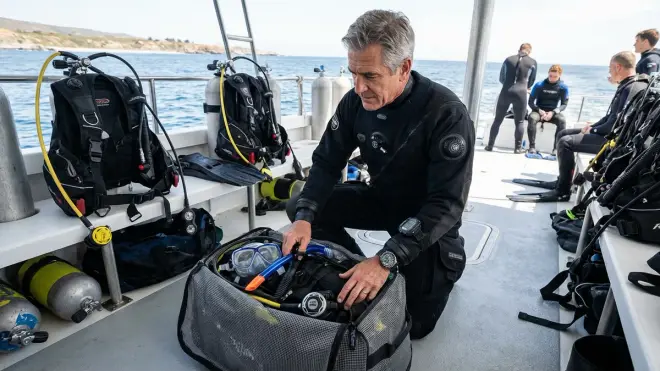
Material construction forms the foundation. Most quality dive bags use one of three material approaches. Heavy-duty nylon (typically 840-1680 denier) offers the best all-around durability and abrasion resistance. I've used nylon bags for two decades that still don't have holes, though the color faded years ago. Tarpaulin or PVC-coated materials provide superior water resistance and are easier to clean—just hose them down and wipe them off. These work beautifully for boat diving where the bag sits on deck getting splashed. Mesh construction, which I'll discuss in detail later, maximizes drainage and weight reduction but offers minimal protection for delicate equipment.
Drainage systems separate amateur-designed bags from those built by people who actually dive. The simplest approach uses full mesh panels or perforations that allow water to flow freely. More sophisticated designs incorporate drainage grommets at low points where water naturally pools. The key is ensuring water can exit from multiple angles—a bag might drain perfectly when standing upright but create a swimming pool when tossed on its side in a storage compartment.
I learned this the hard way during a week-long Florida Keys trip in 1987. My bag had beautiful drainage holes on the bottom, which worked great until the dive boat crew stacked it horizontally in the hold. When I opened it that evening, I could have raised goldfish in there. Now I look for drainage from at least three orientations.
Load distribution becomes critical when you're carrying 40-60 pounds over any distance. The cheapest bags use basic hand straps, which are fine if you're walking ten feet from your car to a dock. For anything beyond that, you want padded shoulder straps—and not those thin foam sleeves that compress into nothing after three trips. Quality bags use dense foam or air-mesh padding that maintains cushioning under sustained loads.
Backpack-style straps work brilliantly for extended carries, but they're awkward for quick loading and unloading from boat bins. Roller bags sound perfect until you hit sand, gravel, or the typical busted-up concrete boat ramp. I've owned three roller bags over the years and used the wheels exactly twice. The rest of the time they just add weight and create failure points.
Compartmentalization creates another design tension. Dedicated pockets for masks, regulators, and computers protect delicate gear from getting crushed under fins and weight belts. But excessive compartments add complexity, weight, and cost while making it harder to pack irregular items. My personal preference runs toward one large main compartment with maybe two or three accessory pockets. I can customize organization with smaller stuff sacks as needed, and I'm not fighting with a predetermined layout that never quite matches my actual gear.
Closure systems represent the last critical element. Heavy-duty zippers with storm flaps work well and provide security, but they're vulnerable to sand and salt corrosion. I've seen more zipper failures than any other single bag component. The key is YKK #10 zippers or equivalent—anything smaller won't survive. Some bags use roll-top closures with buckles, which eliminate zipper failures entirely and provide better water resistance. The trade-off is accessibility; you can't quickly grab something from inside without opening the entire top.
Buckle and strap closures offer bulletproof reliability but limited security and no water protection. Mesh bags typically use drawstring tops with barrel locks, which work fine for the bag's intended purpose but won't keep anything dry or secure during transport.
Why Scuba Diving Gear Bags Matter
The practical significance breaks down into three areas: equipment protection, operational efficiency, and long-term cost management.
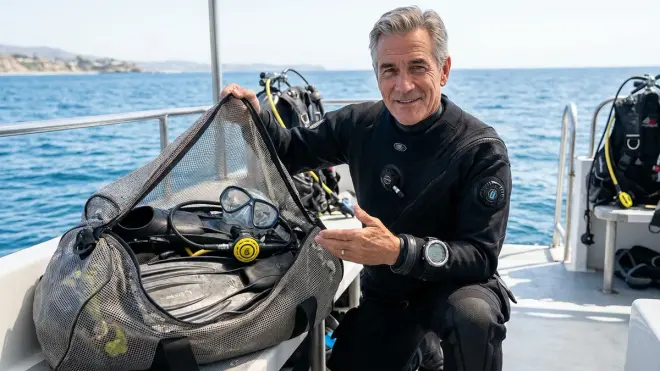
Equipment protection is the obvious starting point. Your dive gear represents a significant financial investment—a basic recreational setup runs around $1,500-$3,000, and technical diving configurations can easily exceed around $10,000. More importantly, this equipment keeps you alive underwater, which means damage translates directly into safety risks. I've seen regulators with cracked second-stage purge covers, dive computer screens shattered by impact with hard objects, and BCDs with torn bladders—all from inadequate bag protection during transport.
The right bag creates a protective barrier against impact, abrasion, and contamination. It keeps sand out of regulator first stages, prevents mask lenses from getting scratched by tank valves, and stops sharp objects like knife edges from puncturing BCD bladders. Just as critically, proper bags protect your gear from the most insidious threat: trapped saltwater that causes long-term corrosion. A regulator service interval can extend substantially when components aren't marinating in salt brine between dives.
Operational efficiency might sound like corporate jargon, but it's actually about not wasting your vacation fighting with equipment. I've watched divers spend twenty minutes on a dock repacking bags because nothing fits properly, searching through bottomless voids for their dive computer, or discovering their wetsuit is still soaking wet from yesterday because the bag trapped all the moisture. Every minute you spend wrestling with gear logistics is a minute you're not diving.
A well-designed bag with intuitive organization means you can pack the night before, grab it without thinking, and have immediate access to what you need when you need it. That matters more than it sounds when you're on a rolling boat deck trying to gear up before the captain moves to the next site.
Cost management emerges over the long term. Cheap bags fail—zippers blow out, straps tear away from attachment points, fabric develops holes, and plastic hardware fractures. I've personally gone through probably fifteen bags before I learned to buy quality up front. When you factor in replacement costs, shipping charges for new bags, and the inconvenience of mid-trip failures, spending around $150-$250 on a proper bag becomes much cheaper than buying three around $60 bags over the same period.
There's also the hidden cost of equipment damage from inadequate protection. Replacing a cracked dive computer screen or servicing a regulator contaminated with sand costs more than the price difference between a budget bag and a quality one.
Types and Variations of Scuba Diving Gear Bags
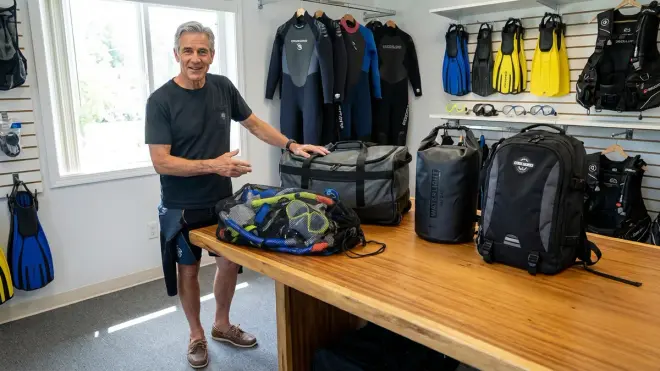
Scuba diving gear bags fall into several distinct categories, each optimized for specific use cases. Understanding these variations helps match the right tool to your actual diving patterns.
Mesh dive bags represent the minimalist approach—maximum drainage, minimum weight, maximum simplicity. These are typically constructed from durable polymer mesh with minimal structure beyond a drawstring or zipper closure. I keep one of these as a boat bag for day diving in warm water. You can check our detailed comparison in Best Mesh Dive Bags for Quick-Draining Gear Storage, but the key advantage is that these bags dry almost instantly. Rinse your gear, toss it in the mesh bag, and by the time you're back at the dock everything's already shed most of its water weight.
The downside is obvious: zero protection. Don't put anything fragile in a mesh bag unless it's wrapped in something protective. These work beautifully for wetsuits, fins, boots, and BCDs—basically the soft, bulky stuff that takes up space and holds water. For more detailed guidance on what belongs in which type of bag, our Dive Gear Bag Packing Checklist breaks down optimal packing strategies.
Roller bags appeal to divers who hate carrying heavy loads, which is completely understandable when you're moving 60 pounds of equipment. These feature hard or semi-rigid sides, retractable handles, and wheel systems borrowed from luggage design. They work exceptionally well in controlled environments: airports, paved parking lots, resort walkways. I've used them for trips focused on shore diving from developed facilities.
But wheels are useless on boats, docks, and beaches—the three places divers spend most of their time. And roller bags typically weigh 8-12 pounds empty, which eats into airline baggage allowances without providing any functional benefit underwater. The rigid construction also limits how much you can stuff them, since there's no give in the walls.
Backpack-style dive bags distribute weight across both shoulders and often include hip belts for serious load-bearing capacity. These excel for shore diving, particularly in locations requiring significant walks from parking to entry points. I used a backpack configuration exclusively during a period when I was doing a lot of lake diving with underwater photography gear, which meant hauling camera housings, strobes, and lighting in addition to standard dive equipment.
The main limitation is access—you can't easily dig through a backpack bag while it's on your back, so you end up taking it on and off repeatedly. This gets old fast during boat diving when you're gearing up multiple times per day.
Hybrid designs attempt to combine the best features of multiple categories. These typically offer backpack straps that tuck away when not needed, multiple carry handle positions, and some level of structure without going full roller-bag rigid. Most serious traveling divers eventually settle on this category because it provides maximum flexibility.
For a deeper discussion of when to use dedicated dive bags versus specialized travel configurations, see our analysis of Scuba Travel Bag vs Dive Gear Bag. The short version: travel bags optimize for airline compliance and protection during transit, while dive bags optimize for on-site use and water exposure.
Detailed Selection Criteria for Scuba Diving Gear Bags
Choosing the right bag requires analyzing your specific diving profile against several key criteria. I'll walk through each consideration with practical examples from real diving scenarios.
Volume and Capacity Requirements
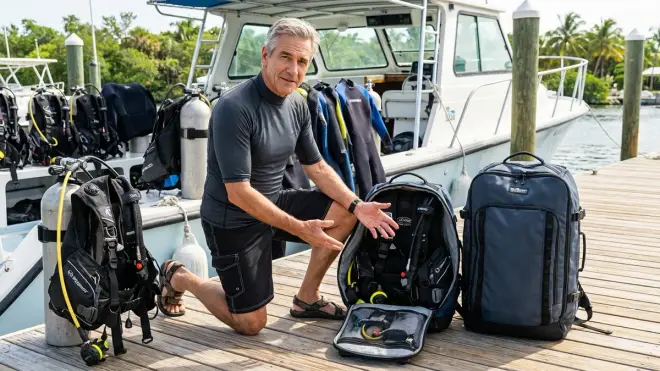
Capacity needs vary dramatically based on water temperature and diving style. A tropical recreational setup occupies roughly 80-90 liters: 3mm wetsuit, jacket BCD, open-heel fins, standard regulator set, mask, and accessories. That same diver switching to cold water needs 120-150 liters to accommodate a 7mm wetsuit or drysuit, hooded vest, heavier boots, and typically a larger BCD with higher lift capacity.
Technical divers need even more space for redundant regulators, stage bottles, wing BCDs, and specialized accessories. I've seen tech divers show up with 150-liter bags that barely close.
Here's what I recommend: measure your actual gear volume. Pack everything you typically dive with into your current bag or pile it together and estimate. Then add 20% buffer space because you'll acquire more equipment—we all do. A bag that barely fits your current setup becomes useless the moment you add a wetsuit hood or upgrade to larger fins.
Most quality dive bags list internal capacity in liters. Anything under 100L works only for minimalist tropical diving with rental BCDs. The 110-140L range handles most recreational diving across conditions. Above 150L, you're into specialized territory for technical diving or extended liveaboard trips where you need multiple wetsuit configurations.
Material Durability and Construction Quality
I judge bag durability primarily by examining stress points: where straps attach to the main body, zipper terminations, and corner reinforcements. These are the locations that fail first under heavy loads and repeated use.
Nylon denier ratings provide a starting point for material strength. 420D nylon is lightweight but marginal for dive bags—acceptable only for occasional use with light loads. 840D nylon represents the minimum I'd consider for regular diving. 1680D ballistic nylon offers maximum abrasion resistance and should literally outlast you, though it adds weight and cost.
The coating matters as much as the base material. Polyurethane (PU) coatings add water resistance and protect the underlying fabric. Look for double-PU or PVC coatings on the interior and exterior. These significantly extend bag life in saltwater environments.
Stitching quality reveals manufacturing standards. Double or triple-stitched seams with bar tacking at stress points indicate proper construction. Single stitching fails rapidly under load. The thread type matters too—polyester thread resists UV degradation and maintains strength in salt exposure, while cotton or low-grade synthetic threads rot within seasons.
Hardware considerations separate disposable bags from long-term investments. Metal components must be marine-grade—either stainless steel or anodized aluminum. Regular steel or zinc-plated hardware corrodes within weeks of saltwater exposure. I've had strap buckles literally disintegrate into rust powder. Plastic hardware (typically reinforced nylon or acetal resin) avoids corrosion entirely but can crack under impact or UV exposure. The best designs use metal for high-stress attachment points and quality plastic for buckles and adjustment components.
YKK remains the gold standard for zippers. Anything else is a gamble. Specifically look for YKK #10 coil zippers or #10 vislon zippers on main compartments—these tooth sizes handle the stresses of fully loaded dive bags. Smaller zippers will fail, period. Storm flaps or zipper guards that cover the zipper path keep salt and sand out of the teeth, dramatically extending zipper life.
Weight and Portability Trade-offs
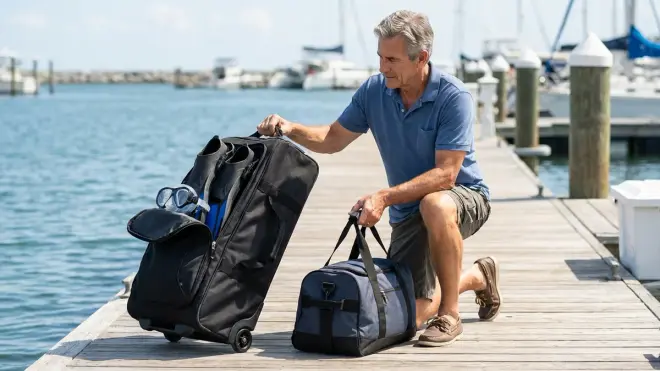
Bag weight creates a constant tension between durability and portability. An empty bag that weighs 3 pounds needs stronger materials and construction than an 8-pound bag, but that 5-pound difference matters enormously when you're already at airline baggage limits.
I typically travel with gear weighing 45-50 pounds fully packed. Airlines commonly enforce 50-pound limits for checked bags, which leaves virtually no margin for bag weight itself. A 6-pound bag means I'm redistributing gear to keep within limits, while a 2-pound bag gives me breathing room.
The calculation changes for boat diving and local shore diving where airline limits don't apply. For those scenarios, I prioritize protection and durability over weight. My boat bag weighs about 5 pounds empty but uses 1680D nylon and extra padding—I don't care about the weight penalty because I'm never checking it on a plane.
Carry system comfort becomes critical above 40-pound total loads. Thin straps cut into shoulders and create pressure points that turn painful after a few hundred feet. I look for straps at least 2 inches wide with dense foam padding a minimum of 1/2 inch thick. Air-mesh padding works even better because it doesn't retain heat and sweat.
Strap adjustment systems need to be tool-free and operable with one hand, preferably while wearing the bag. Buckle adjusters work better than slide adjusters, which tend to slip under heavy loads. The attachment points where straps connect to the bag body should use reinforced patches that distribute stress across a wide area rather than concentrating forces on a few stitches.
Drainage and Ventilation Design
This is non-negotiable territory. Bags that trap water are unusable for diving—full stop. I've tested this principle more times than I care to admit by forgetting to fully drain bags before storing them. The resulting mildew smell penetrates everything inside and never fully disappears. You end up throwing the bag away.
Mesh panels provide maximum drainage but minimum protection. Full-mesh construction drains instantly but offers zero barrier against impact or sharp objects. Partial mesh—where the bottom or sides use mesh while the top and ends use solid material—splits the difference reasonably well.
Drainage grommets in solid-construction bags should be stainless steel or heavy-duty plastic, at least 1/2 inch in diameter, and positioned at every low point. A bag with grommets only on the bottom still traps water when tipped on its side. I count grommet positions and mentally visualize water flow when the bag sits in different orientations. If there's any position where water can't escape, that's a design flaw.
Some higher-end bags incorporate dual-layer construction with an inner mesh shell inside an outer protective shell. This provides impact protection while maintaining drainage through the interior. These typically cost 30-40% more than single-layer bags but deliver genuinely superior performance.
Ventilation during storage matters almost as much as active drainage. Bags need to dry fully between uses, which requires airflow through the interior. I always store bags with all compartments open and, if possible, suspended or propped up to allow air circulation from multiple angles. Bags with solid, non-breathable materials take days to fully dry, while mesh-panel designs dry within hours.
Organization Systems and Accessibility
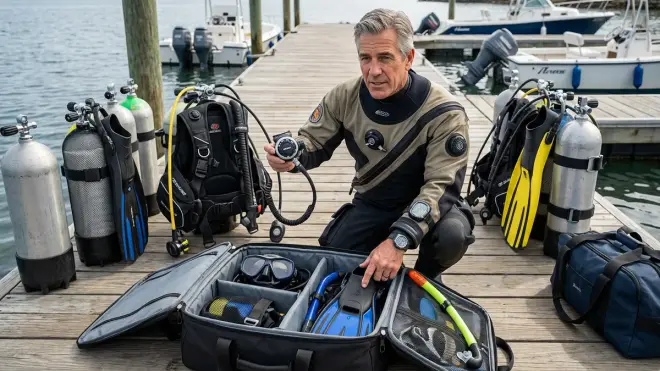
The optimal organization level depends on your packing style and equipment complexity. I'm personally minimalist—I prefer one large compartment I can see into easily rather than multiple pockets where things disappear. But divers with extensive accessory collections often prefer dedicated organization.
Internal pockets work well for small, delicate items: dive computers, masks, underwater cameras, and accessory electronics. Look for mesh pockets so you can see contents without opening them, or clear vinyl windows that serve the same purpose. Pockets should have independent closures—zippers, velcro, or snap buckles—so items don't fall out when you open the main compartment.
Zippered pockets add failure points, though, and I've had more pocket zippers fail than main compartment zippers. Velcro works reliably but collects lint and weakens over time. My preference runs toward buckle closures on pockets I use frequently and zippers only on compartments I access rarely.
External attachment points—D-rings, lash tabs, bungee systems—provide overflow capacity for bulky items that don't fit inside. I use external lashing for fins, which are awkwardly long for most bag interiors. Some divers strap wetsuits or BCDs externally when traveling with minimal gear. The attachment hardware needs to be bombproof because external items take tremendous abuse.
Rigid bottom panels or reinforced bases keep bags standing upright when loaded, which improves accessibility and organization. Without a rigid base, full bags become shapeless blobs that collapse when you set them down. You end up excavating through layers to reach bottom items. A structured base costs more and adds weight but dramatically improves usability.
Some bags include removable dividers or compartment organizers—padded panels that section the interior into customizable zones. These work beautifully for photographers carrying camera housings, strobes, and delicate optics alongside standard dive gear. For general recreational diving they're usually overkill.
Specialized Features for Specific Diving Profiles
Cold water diving creates unique bag requirements. Thick drysuits and 7mm wetsuits occupy enormous volume and resist compression, so bags need maximum capacity with minimal structural elements restricting packing. Cold water regulators often include environmental sealing and bulkier second stages, requiring extra pocket space. Heavy-duty insulation on carry straps becomes more important because you're often carrying gear in freezing conditions wearing bulky gloves.
Tropical and travel diving prioritizes weight reduction and airline compliance. You want the lightest bag that still provides adequate protection, maximum compression capability to minimize baggage dimensions, and probably a few features specifically designed for airline travel: TSA-approved locks, identification tag holders, and smooth exteriors that won't snag on conveyor systems. Our guide to Best Travel BCDs Under 5 Pounds discusses weight-conscious gear selection that pairs naturally with minimalist bags.
Boat diving emphasizes drainage, quick access, and resistance to rough handling. Boat deck surfaces are abrasive, so bottom panels need heavy-duty reinforcement. Bags get stacked, stepped on, and occasionally kicked aside, so structural integrity matters more than weight. Color matters too—dark bags get lost in dim hold areas, while bright colors remain visible. I learned to prefer orange or yellow bags after spending fifteen minutes searching for a black bag in a crowded boat storage area.
Underwater photography demands dedicated protection for delicate optics, electronics, and lighting. Many underwater photographers use separate bags for cameras and dive gear, but integrated solutions with padded compartments and shock-absorbing panels exist. If you're regularly traveling with a camera housing and strobes, this specialization is worth the investment. Standard dive bags treat your around $3,000 camera housing the same as a pair of fins—not ideal.
Brand Reputation and Warranty Coverage
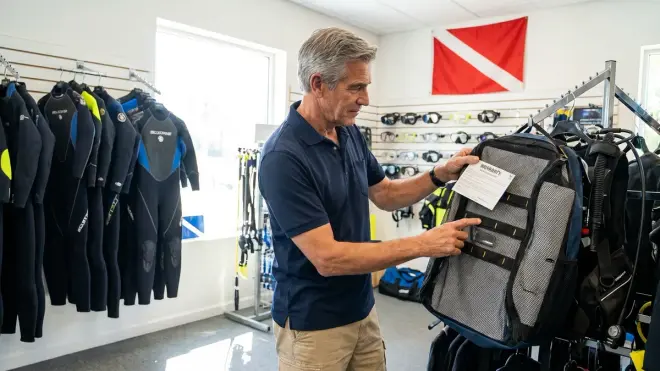
I've owned bags from probably two dozen manufacturers over four decades. Some brands consistently deliver quality while others chase trends and cut corners to hit price points.
Stahlsac has been making dive bags since before most current divers were born. Their construction quality is outstanding, though they're rarely the cheapest option. I've used the same Stahlsac roller bag for over a decade with zero failures. The company also offers reasonable warranty coverage and actually honors it—I've successfully warrantied a strap attachment that failed after several years of heavy use.
Akona delivers solid mid-range options with good feature sets at moderate prices. Not quite the bombproof construction of premium brands but significantly better than budget options. I recommend Akona for newer divers who aren't sure exactly what features they need—you're not overpaying for specialized features you might not use.
Scubapro and Aqua Lung both manufacture quality bags alongside their regulators and BCDs. These typically cost more because you're paying for brand prestige, but the construction legitimately justifies most of the price premium. Warranty support through authorized dealers is excellent—major advantage when you need repairs or replacements.
Generic import brands sold through Amazon and discount retailers are pure gambling. I've seen a few that held up fine for years, but I've seen many more that failed within months. Without brand reputation to protect, these manufacturers have little incentive for quality control. You might save $50 upfront and lose $200 in damaged equipment or replacement bags within a season.
Warranty terms matter, but warranty execution matters more. Lifetime warranties sound impressive until you discover the fine print excludes "normal wear," which the company defines as anything that actually breaks. Look for specific warranty periods (2-5 years is reasonable for dive bags) with clear coverage terms. More importantly, research whether the company actually honors warranties—read reviews specifically mentioning warranty claims and customer service experiences.
Maintenance and Longevity
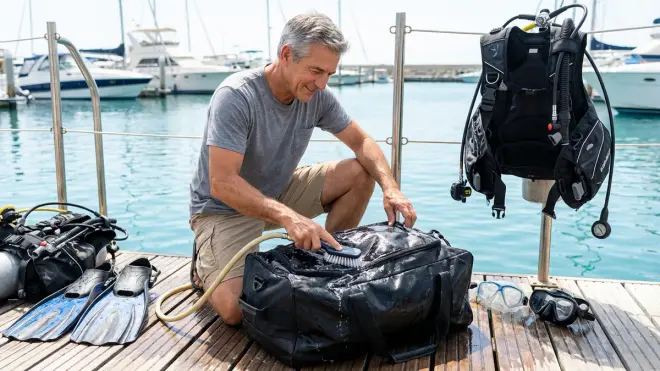
Proper maintenance extends bag life dramatically. I've owned bags for fifteen-plus years that still function perfectly because I've maintained them properly, while I've seen identical bags fail in two seasons from neglect.
Post-dive rinsing is essential—and I mean actual rinsing, not a quick spray. Saltwater contains corrosive compounds that attack fabric, stitching, zippers, and hardware. After every salt dive, I soak the entire bag in fresh water for at least 15-20 minutes, agitating occasionally to flush salt from zipper teeth and fabric weave. Pay special attention to zippers, which accumulate salt crystals in the teeth and mechanisms. Work zippers back and forth while underwater to clear trapped salt.
For bags with solid construction and limited drainage, you'll need to physically empty trapped water multiple times during the rinse. Mesh bags make this trivially easy, while coated nylon bags require more effort. Don't skip this step because you're tired after diving—twenty minutes of maintenance now prevents around $200 bag replacements later.
Drying procedure is almost as important as rinsing. Never store bags wet or even damp. I hang bags open in a well-ventilated area, ideally with a fan providing airflow. In humid environments or when traveling, this becomes challenging. Hotel bathrooms are terrible drying areas despite being convenient—humidity stays high and ventilation is poor. I've had better results hanging bags from balcony railings (secured so they don't blow away) or even in rental cars with windows cracked.
For bags that can't fully dry before you need to pack them for travel, I include a few silica gel packets to absorb moisture during transit. This isn't a perfect solution but it prevents the worst mildew growth. When you get home, immediately unpack and properly dry everything before storing.
Zipper maintenance deserves special attention because zipper failure is the leading cause of bag retirement. After rinsing, I periodically apply zipper lubricant—either specialized zipper wax or pure paraffin—to keep teeth sliding smoothly. Some people use silicone spray, which works but attracts dirt. Never use oil-based lubricants, which collect grime and make the problem worse.
If a zipper starts catching or skipping teeth, stop using it immediately and clean it thoroughly. Often trapped sand or salt crystals cause the issue. Use an old toothbrush to scrub between teeth while running fresh water over the area. If cleaning doesn't fix it, take the bag to a professional repair shop before the problem gets worse. A $20 repair now beats a $150 bag replacement later.
Strap and buckle inspection should happen before every major trip. I physically test every strap attachment by pulling hard—if any stitching looks stressed or attachment points show wear, that's a repair waiting to happen. Better to discover problems at home than at a remote dive site. Buckle mechanisms should snap positively and release smoothly. If adjustment buckles slip under load, replace them before trusting them with a fully loaded bag.
Storage conditions affect long-term durability significantly. UV exposure degrades nylon and polyester fabrics, so store bags away from direct sunlight. I keep mine in a closet or garage storage area, loosely stuffed with packing paper to maintain shape but not compressed. Compression during long-term storage can create permanent creases and weakens fabric at fold points.
Avoid storing bags in areas with high humidity or temperature extremes. Attics and outdoor sheds in humid climates promote mildew and accelerate deterioration. Climate-controlled storage is ideal but not always practical—at minimum, ensure good ventilation.
Common Problems and Solutions
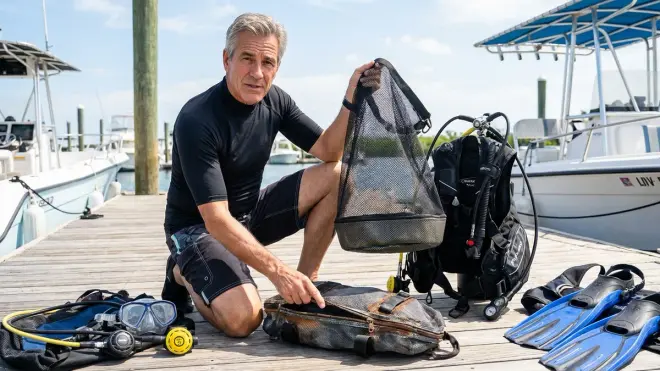
Persistent mildew odor is the most frequent complaint I hear. Once mildew establishes in fabric, it's difficult to fully eliminate. Prevention through proper drying is far easier than remediation. If you already have mildew, here's what actually works: soak the bag in a solution of 1 cup white vinegar per gallon of water for several hours, then wash with enzyme-based detergent designed for mildew removal. Rinse thoroughly and dry completely in direct sunlight—UV helps kill remaining spores. Products like MiraZyme or similar enzyme cleaners work better than bleach, which damages fabric.
If the smell persists after treatment, the mildew has penetrated too deeply for practical remediation. Time for a new bag.
Zipper failures come in several varieties. If the zipper separates behind the slider, the slider mechanism is worn and needs replacement. This is a straightforward repair at any fabric repair shop or alteration service—usually costs $15-30 depending on slider type. If zipper teeth are broken or missing, repair becomes impractical and expensive. Some bags allow zipper replacement, but labor costs often exceed half the bag's value.
Stuck zippers usually result from fabric caught in teeth or salt crystallization. For fabric snags, carefully work backward with the slider to release the material—forcing it forward typically makes the jam worse. For salt blockage, flush with fresh water and work the slider gently back and forth.
Strap detachment occurs when stitching fails at attachment points or webbing tears. If only stitching has failed and the attachment points are intact, any competent alteration service can re-stitch the connection. This costs $10-20 and extends bag life by years. If the webbing itself has torn or attachment patches have pulled away from the bag body, repair becomes more complex and expensive. At that point you're often better off replacing the bag.
Mesh tears are inevitable with mesh bags. Small holes are cosmetic and don't affect function. Larger tears can allow straps or small items to escape. Repair with nylon repair tape or patches designed for mesh fabrics. Don't expect perfection—mesh bags are consumables with limited lifespans. When tears become extensive, retire the bag to less critical uses or recycle it.
Drainage grommet failure happens when grommets pull out of fabric or crack. Grommet replacement requires special tools but is straightforward for anyone with basic repair skills. Grommet kits cost $10-15 and include installation tools. Set new grommets with reinforcement washers on both sides to distribute stress. If you're not comfortable with the repair, fabric shops or marine canvas shops can do it cheaply.
Frequently Asked Questions
What size scuba diving gear bag do I need for recreational diving?
For recreational diving, you need a bag between 110 and 140 liters capacity to comfortably fit a complete setup including regulator, BCD, wetsuit, fins, mask, boots, and accessories. Tropical divers using thin wetsuits and compact gear can manage with bags as small as 90-100 liters, while cold water divers with thick exposure suits and larger BCDs should target 130-150 liters. I always recommend buying slightly larger than your current needs because you will accumulate additional gear over time.
Should I choose a mesh bag or solid construction dive bag?
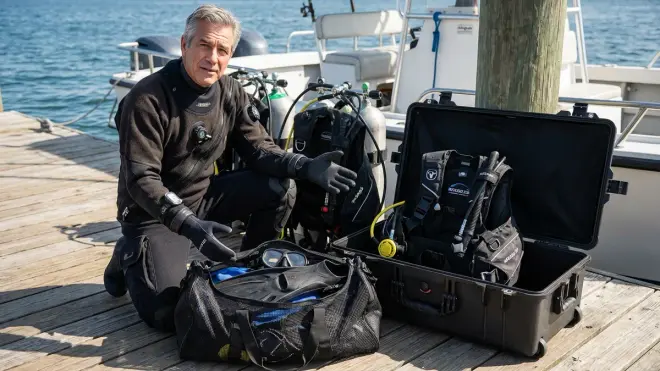
Choose a mesh bag if you primarily do boat diving or shore diving where immediate drainage and quick drying are priorities and you don't need to protect equipment during travel or storage. Choose solid construction with drainage grommets if you need impact protection for delicate equipment, airline travel capability, or longer-term storage between dives. Many experienced divers own both types—a mesh bag for dive day operations and a protective bag for transport and travel.
How much should I expect to spend on a quality dive gear bag?
Quality dive bags typically cost between around $80 and $200, with most excellent options falling in the around $120-160 range. Bags under around $60 usually compromise on materials, construction quality, or durability—they may work fine initially but fail within a season or two of regular use. Specialty bags for technical diving or underwater photography with enhanced protection and organization systems can exceed around $250. The cost difference between a around $50 budget bag and a around $140 quality bag is negligible when you consider the bag protects thousands of dollars of life-support equipment.
Can I use a regular duffel bag for dive gear instead of buying a specialized dive bag?
You can use a regular duffel bag for diving equipment, but you will face significant problems with drainage, durability, and equipment protection. Standard duffel bags trap water inside, promoting mildew and corrosion of metal components. They typically use lighter materials and hardware that corrode rapidly in saltwater exposure. Zippers and stitching fail quickly under the stress of wet, heavy dive gear. A specialized dive bag with proper drainage, marine-grade hardware, and reinforced construction will outlast several regular duffels while better protecting your equipment.
How do I prevent my dive bag from smelling like mildew?
Prevent mildew by thoroughly rinsing your bag in fresh water after every saltwater dive, then ensuring it dries completely before storage. Hang the bag open in a well-ventilated area with good airflow—never seal it while damp. If possible, dry in direct sunlight, which naturally inhibits mold growth. For bags in storage, periodically open and air them out even if unused. Once mildew establishes, treatment with enzyme cleaners like MiraZyme or vinegar solutions can help, but prevention through proper drying is far more effective than remediation.
Summary
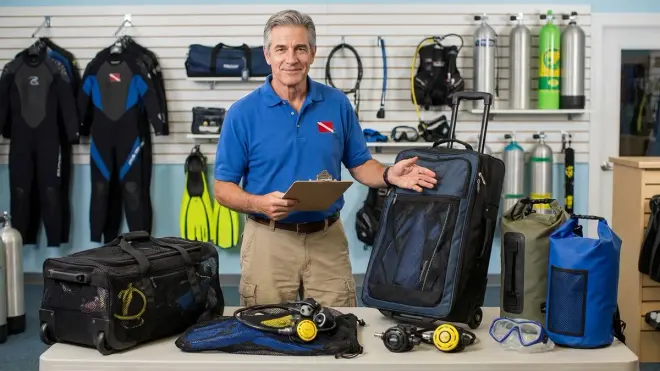
Scuba diving gear bags represent one of those unsexy equipment categories that nobody gets excited about but everyone depends on. After forty years of watching divers struggle with inadequate bags—fighting zipper failures, dealing with mildew contamination, replacing damaged equipment, and generally making their diving lives harder than necessary—I can confidently tell you that bag selection matters enormously.
The fundamentals haven't changed: prioritize drainage above all else, invest in quality materials and construction at stress points, choose capacity that accommodates your actual gear plus growth, and maintain your bag properly after every use. Match the bag type to your primary diving profile, whether that's boat diving with a simple mesh bag, travel diving with a lightweight hybrid design, or technical diving with maximum-capacity protective construction.
The price difference between adequate and excellent