

I'll be honest—when I first bought my wetsuit three years ago, I treated it terribly. I'd rinse it quickly (sometimes), hang it wherever there was space, and wonder why it started smelling funky after just a few months. My dive buddy finally gave me a reality check about proper wetsuit maintenance, and wow, what a difference it makes. A good wetsuit maintenance checklist isn't just about making your suit last longer (though mine's still going strong after 80 dives now). It's about keeping yourself comfortable, warm, and safe underwater. This checklist covers everything from post-dive rinsing to long-term storage, broken down into simple steps that actually fit into a diver's real routine. Whether you're diving in Belize's warm Caribbean waters or planning a cold water adventure, these habits will keep your wetsuit performing like new.
After Every Dive: Immediate Care
This is where most of us (including past-me) drop the ball. The salt, sand, and sunscreen that get into your wetsuit during a dive can break down the neoprene faster than you'd think.

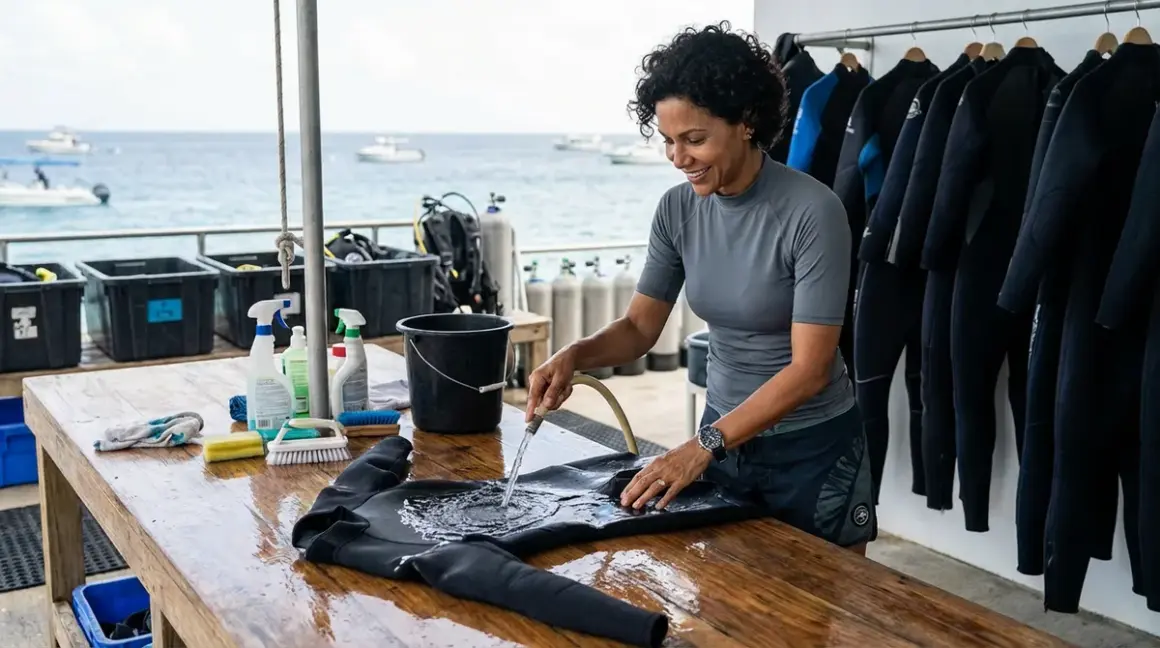
Rinse thoroughly with fresh water inside and out. I mean really rinse it—turn it inside out and let fresh water run through the sleeves, legs, and torso for at least two minutes. Salt crystals are sneaky and hide in seams. I learned this the hard way when I found white crusty patches on my suit after a few lazy rinses.
Use cool or lukewarm water, never hot. Hot water can damage the neoprene's flexibility and break down the glue in the seams. I stick to the temperature I'd use for a lukewarm shower—comfortable but not steamy.
Don't wring or twist the material. This was a tough habit to break because I always wanted to speed up the drying process. But twisting creates stress points that can tear the neoprene or separate the seam tape. Instead, gently squeeze out excess water by pressing the suit between your hands.
Hang it properly to drip dry in the shade. Use a thick hanger (like a wetsuit hanger with wide shoulders) or drape it over a rail, folded at the waist so the weight is distributed. Never use a wire hanger—those thin metal bars will leave permanent shoulder dents that I still see on my first wetsuit.
Flip it inside-out halfway through drying. Once the outside feels mostly dry, turn it inside out so the interior can fully dry too. Trapped moisture between the neoprene and lining is what creates that musty smell nobody wants.
Keep it away from direct sunlight. UV rays degrade neoprene surprisingly fast. I noticed my first suit's black color fading to a weird greenish-brown after leaving it in the sun too many times. Now I always dry mine under a covered patio or inside near a window with indirect light.
Check the zippers while it's still wet. I give my back zipper a few slides up and down after rinsing. If it's sticking or feels gritty, I know salt or sand got in there and needs more attention before it dries and locks up the zipper teeth.
Deep Cleaning: Monthly or After Heavy Use
Even with good post-dive rinsing, wetsuits need a deeper clean periodically. I do this about once a month during dive season, or immediately after a week-long dive trip.
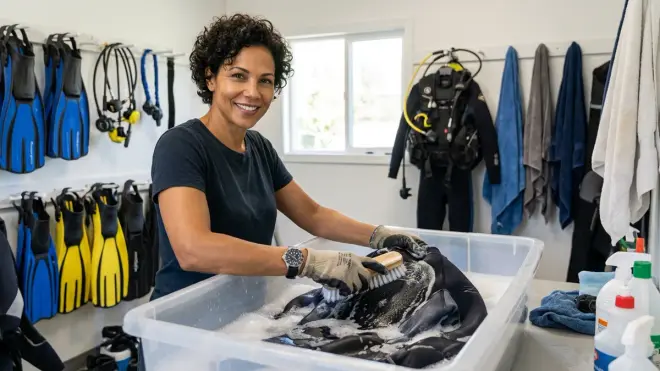
Soak in a wetsuit-specific cleaner or mild detergent. Fill a large bucket or bathtub with cool water and add McNett Wetsuit & Drysuit Shampoo, but any wetsuit-specific product works. Regular laundry detergent can be too harsh. Let it soak for 15-20 minutes, gently agitating the water occasionally.
Address odors with specialized treatments. If your suit smells even after washing, bacteria might be living in the neoprene. I use products like Sink The Stink or a vinegar solution (one cup white vinegar to a full tub of water) for a 30-minute soak. This confused me at first too—I thought soap would handle everything, but odor-causing bacteria need something stronger.
Clean zippers with an old toothbrush. This is oddly satisfying once you see how much gunk comes out. I brush along the teeth and the zipper tape with just fresh water, or add a tiny drop of wetsuit shampoo if they're really grimy. Salt buildup here is what eventually causes zipper failures.
Rinse even more thoroughly after cleaning products. Any soap residue left in the neoprene can cause skin irritation on your next dive. I rinse for at least five minutes after a deep clean, making sure the water runs clear and there are no bubbles.
Check for tears, loose seams, or worn areas. I run my hands over the entire suit while it's wet (easier to spot problems). The knees, elbows, and crotch usually show wear first. Small tears can be patched with neoprene cement or tape before they become bigger problems. I caught a tiny puncture on my shin area last month and fixed it immediately—saved me from needing a professional repair later.
Between Dive Seasons: Storage and Preservation
This is where I really messed up during my first year of diving. I stuffed my wetsuit in a bin after my last dive of the season and forgot about it for four months. When I pulled it out, the creases had become permanent stress lines and one shoulder seam was starting to separate.
Store it completely dry in a climate-controlled space. Any moisture left in the neoprene during long-term storage invites mold and mildew. I now make sure mine is bone-dry for at least two full days before packing it away. The storage area should be cool and dry—not a hot garage or damp basement.
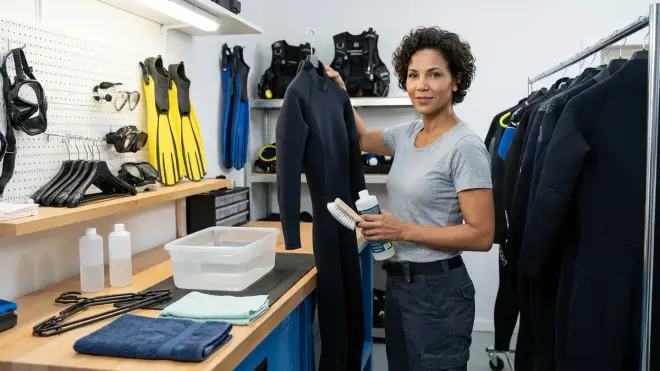
Hang it on a wide hanger or fold it loosely. I hang my 3mm suit on a thick wetsuit hanger in my closet, but I fold my 5mm suit loosely and lay it flat in a bin because it's too heavy to hang without stretching. If you fold it, put a towel or sheet between the layers to prevent the neoprene from sticking to itself. For help deciding between different wetsuit thicknesses for your conditions, check out 5mm vs 7mm wetsuit comparisons.
Treat zippers with wax or lubricant. I use zipper wax or beeswax and run it along the teeth before storage. This prevents corrosion during the off-season and keeps the zipper sliding smoothly. A stuck zipper before a dive trip is so frustrating.
Avoid plastic bags for long-term storage. Neoprene needs to breathe. Sealing it in plastic traps moisture and accelerates degradation. I use a breathable cotton garment bag or just hang it openly in a closet.
Keep it away from petroleum products and chemicals. Gasoline, oil, insect repellent, and even some sunscreens can dissolve neoprene or leave permanent stains. I learned this after setting my wetsuit on a garage shelf that had some spilled gasoline residue—left a weird melted patch that never recovered.
Consider a specialized wetsuit hanger system. If you have multiple wetsuits or limited space, those wetsuit storage systems with multiple wide hangers are worth it. I'm still figuring this out for my growing collection (I just added a shorty for warm dives), but proper storage definitely extends wetsuit life.
Regular Inspection and Maintenance
Beyond cleaning and storage, there are a few ongoing checks that prevent bigger problems down the road.
Test the flexibility of the neoprene every few months. I stretch my arms and leg sections gently to make sure the material still has that springy elasticity. If it feels stiff or brittle, the neoprene might be breaking down from UV exposure or chemical damage.
Inspect seam tape and glued areas. Run your fingers along all the seams looking for any lifting edges or gaps. Seam failures usually start small but spread quickly once water starts getting in. I caught a tiny seam separation on my underarm last season and used Aquaseal to glue it back down—total fix time was ten minutes.
Check for compression or permanent creasing. If your wetsuit has permanent folds from being stored wrong, those areas lose their insulating ability. Water flushes through compressed neoprene instead of staying trapped in the tiny gas bubbles that keep you warm. Unfortunately, this kind of damage is hard to reverse.
Monitor the condition of the inner lining. The plush lining inside your wetsuit can fray or separate from the neoprene over time. I've noticed some pilling on my suit's torso area after two years, but it hasn't affected performance yet. If the lining starts detaching, though, that's a sign the glue is failing.
Track your suit's age and dive count. I keep a simple note in my phone about when I bought each piece of gear and roughly how many dives it's seen. Wetsuits don't last forever—even with perfect care, the neoprene loses elasticity and thermal properties after 200-300 dives or 4-5 years, depending on conditions. Understanding how to choose a wetsuit for your specific diving style helps you know when it's time for a replacement versus just continued maintenance.
Final Check Before You Go
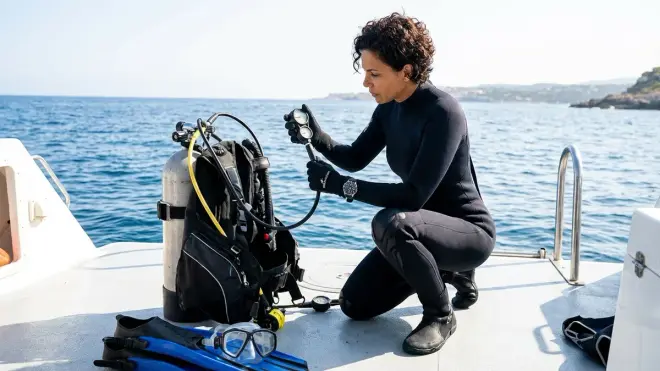
Here's a quick summary wetsuit maintenance checklist I run through before packing for any dive trip:
- Wetsuit is completely dry (no damp spots in armpits or crotch area)
- All zippers slide smoothly with no resistance or sticking points
- No visible tears, holes, or seam separations that need repair
- No persistent odors that would bother me or my dive buddies underwater
- Packed properly for travel (loosely rolled, not compressed or folded in tight creases)
- Neoprene still feels flexible and not stiff or brittle to the touch
I also double-check that I've packed zipper lube and a small neoprene repair kit in my dive gear bag—just in case something happens on the trip.
Frequently Asked Questions
How often should I deep clean my wetsuit with shampoo?
You should deep clean your wetsuit with specialized shampoo or mild detergent about once a month if you're diving regularly, or after every 10-15 dives, whichever comes first. If you're doing multiple dives per day on a dive trip, consider a deep clean at the end of the week rather than waiting until you get home, since salt and sunscreen buildup can accelerate damage if left too long.
Can I put my wetsuit in a washing machine?
You technically can put a wetsuit in a washing machine on a gentle cycle with cold water, but I honestly wouldn't recommend it unless the manufacturer specifically says it's okay. The agitation can stress the seams and zippers, and most machines' spin cycles are too aggressive for neoprene. Hand washing in a bathtub or large bucket gives you way more control and is gentler on the material—plus you can inspect for damage while you clean.
How long does a well-maintained wetsuit typically last?
A well-maintained wetsuit typically lasts between 200-300 dives or approximately 4-5 years of regular recreational diving, depending on diving frequency, water conditions, and how carefully you follow proper care routines. I've seen divers get 7+ years from wetsuits with meticulous care, while others burn through suits in under two years by neglecting basic maintenance like rinsing and proper storage. The biggest factors are UV exposure, improper storage creating permanent creases, and salt damage from skipping rinses.
Final Thoughts
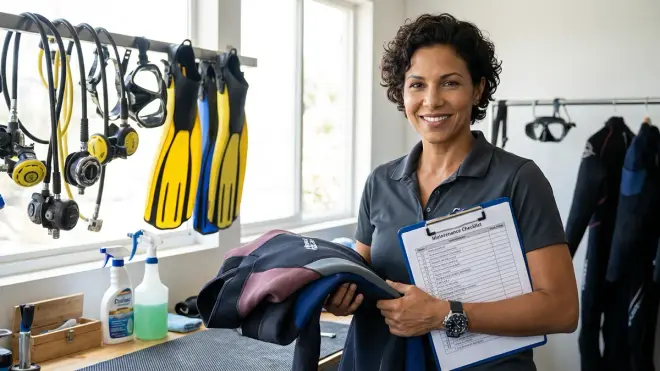
The wetsuit maintenance checklist I've shared here isn't complicated, but it does require building consistent habits. I still forget steps sometimes (like flipping my suit inside-out during drying when I'm tired after a long dive day), but overall, these routines have extended my wetsuit's life way beyond what I got from my first poorly-maintained suit. The ten minutes you spend after each dive rinsing and properly hanging your wetsuit literally adds years to its lifespan—and saves you hundreds of dollars on early replacements.
Your wetsuit is one of the most personal pieces of dive gear you own. It keeps you warm, protects your skin, and becomes this comfortable second skin underwater once it's properly broken in. Taking care of it isn't just about the money—it's about respecting the gear that lets you explore the underwater world comfortably and safely. Plus, a clean, well-maintained wetsuit just makes you feel more put-together on the dive boat, which sounds silly but honestly matters when you're trying to focus on the dive ahead rather than worrying whether your gear smells weird.
If you're building out the rest of your gear maintenance routine, I'd also recommend checking out the BCD maintenance checklist and dive computer maintenance guide to keep all your essential equipment in top shape. Everything works together underwater, and maintaining it all properly means fewer surprises and more time actually diving.