
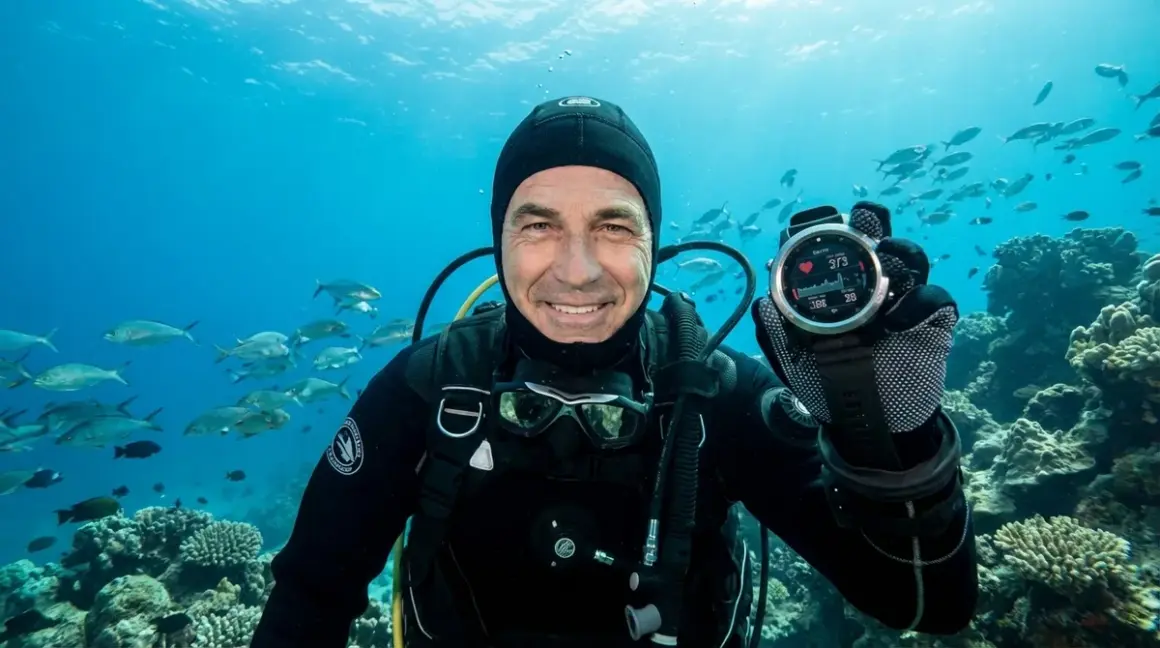

I've been diving since the late '70s, and I'll tell you something: I never thought I'd see the day when my dive computer would track my pulse underwater. But here we are in 2026, and heart rate monitoring dive computers are becoming standard equipment for divers who want more insight into their physiology below the surface. This technology isn't just a fancy gadget—it's changing how we understand our bodies under pressure, literally. Whether you're curious about what these systems actually do or wondering if you need one strapped to your wrist, let me walk you through what four decades of diving has taught me about monitoring your ticker at depth.
What Is Heart Rate Monitoring in Dive Computers?
Heart rate monitoring dive computers are dive computers equipped with optical or electrical sensors that measure your pulse continuously throughout a dive. These aren't the chest-strap monitors you see joggers wearing—most modern dive computers use photoplethysmography (PPG) sensors built directly into the watch-style case back that press against your wrist. The Garmin Descent G1 popularized this approach, and now you'll find it on everything from entry-level computers to technical diving platforms.

Here's the thing: this isn't about tracking your workout calories or hitting some arbitrary heart rate zone. Underwater heart rate data serves a completely different purpose than terrestrial fitness tracking. The technology measures real-time cardiovascular response to nitrogen loading, cold exposure, work effort, and stress—all factors that directly affect decompression calculations, gas consumption, and dive safety.
The sensors themselves are fairly robust. I've seen them survive thousands of dives in conditions from 28-degree Florida springs to tropical reefs, though they're not without limitations. The optical sensors need good skin contact, which means positioning the computer correctly on your wrist and making sure your wetsuit or drysuit sleeve doesn't interfere with the sensor array. Most units use multiple LED wavelengths—typically green and sometimes red or infrared—to penetrate skin and detect blood volume changes with each heartbeat.
What makes this technology significant for diving specifically is the integration with decompression algorithms. Some computers now use your actual heart rate data to adjust conservatism factors in real time, making the calculations more personalized than the one-size-fits-all approach of traditional algorithms. Whether that's marketing hype or genuine safety enhancement is still being debated, but I'll get into that later.
How Heart Rate Monitoring Works Underwater
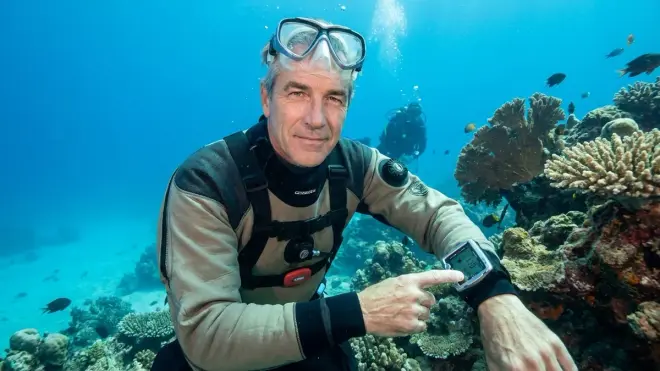
The optical sensors in heart rate monitoring dive computers work on a principle that's simple in concept but complex in execution. LEDs on the back of the computer shine light into your skin. When your heart beats, blood volume increases in the capillaries beneath the sensor, absorbing more light. When blood volume decreases between beats, more light reflects back to the photodiodes flanking the LEDs. The computer's processor analyzes these fluctuations—often sampling at 50-100 Hz—to calculate your beats per minute.
Now, here's where diving complicates things. Cold water vasoconstriction is the first challenge. When you're diving in water below 75°F, your body restricts blood flow to your extremities to preserve core temperature. I've logged dives in 45-degree water where my peripheral circulation was so reduced that optical sensors couldn't get a clean reading for the first 15 minutes. The algorithms have improved significantly—newer computers use adaptive gain control to boost signal sensitivity—but physics is physics. If there's minimal blood flow in your wrist, the sensor struggles.
Pressure changes at depth also affect sensor performance, though less than you might think. The sensor array sits under a sapphire or mineral crystal window that's pressure-rated to match the computer's depth rating—typically 300 feet for recreational units, 500-650 feet for technical computers. The window maintains constant contact pressure against your skin regardless of ambient pressure. What does change is the tissue density in your wrist as pressure increases, which can slightly alter light transmission characteristics. Quality computers compensate with dynamic calibration.
Motion artifacts are another issue. Every movement of your wrist creates sensor noise that the algorithm must distinguish from actual heartbeats. Swimming creates rhythmic motion at frequencies that can overlap with heart rates during light exertion. Modern computers use multi-axis accelerometers to detect motion patterns and filter out these artifacts. The Shearwater Peregrine TX, for example, uses a three-stage filtering system that combines motion data with pulse waveform analysis to maintain accuracy even during finning.
The computer stores your heart rate data point-by-point throughout the dive, typically sampling every 2-5 seconds. This creates a continuous cardiovascular profile that you can review post-dive. Some units display real-time heart rate on the main dive screen; others tuck it into a secondary screen to avoid cluttering the critical information like depth, time, and NDL. I prefer seeing it on-demand rather than constantly—there's already enough to monitor underwater without adding another number to track.
The battery drain from continuous heart rate monitoring is real but manageable. Optical sensors draw more power than accelerometers or pressure transducers. Most computers see a 15-30% reduction in battery life with heart rate tracking enabled compared to running without it. For computers with rechargeable batteries, this means you're recharging every 10-15 dive days instead of 15-20. For replaceable battery models, you might get 150-200 dives instead of 200-300. Worth noting if you're doing week-long liveaboard trips.
Why Heart Rate Monitoring Matters for Divers
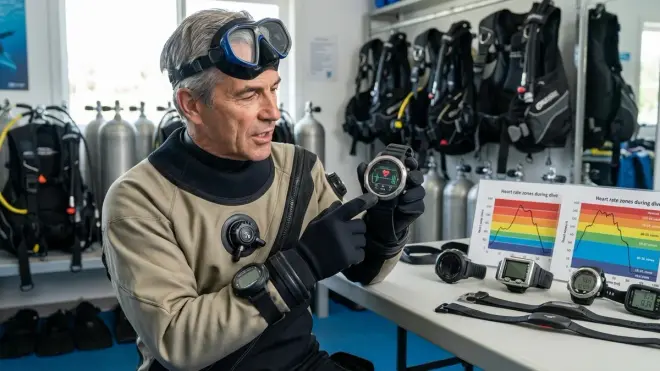
The practical value of heart rate monitoring dive computers falls into three categories: decompression safety, exertion awareness, and post-dive analysis. Let me be clear upfront—I've done 8,000-plus dives without heart rate data and came up fine every time. This technology won't prevent you from bending yourself if you ignore basic dive planning. But it does add a layer of personalization that traditional computers can't provide.
Decompression algorithm adjustment is the headline feature. Computers like the Suunto EON Core incorporate your heart rate into their decompression model, reasoning that elevated heart rate indicates increased perfusion and potentially faster nitrogen absorption. If your heart rate spikes above your baseline by more than 30-40%, the computer applies additional conservatism to the algorithm—shortening no-decompression limits or adding stop time. The inverse is also true in theory: lower heart rates could justify less conservative profiles, though most manufacturers don't implement this due to liability concerns.
Does this actually reduce DCS risk? The research is still catching up, but my gut—backed by decades of watching divers—says it's a marginal improvement at best. The biggest DCS risk factors remain rapid ascents, skipped safety stops, multi-day repetitive diving, dehydration, and patent foramen ovale. Heart rate monitoring might shave a few percentage points off your risk profile, but it's not a substitute for conservative dive planning. That said, if I'm running a borderline profile or diving in conditions that stress my cardiovascular system—like cold water or strong currents—I appreciate having that extra conservatism baked in automatically.
Exertion monitoring is where I see real practical value. Most divers have terrible awareness of how hard they're working underwater. I've watched countless divers fin against current for 20 minutes, spiking their heart rate to 140-160 bpm, then wonder why they burned through their gas in 25 minutes. A heart rate display gives you objective feedback. If you glance down and see your pulse at 130 when it's usually 85, that's your signal to slow down, change your swim angle, or abort the dive plan before you're sucking your tank dry at depth.
For photographers and videographers, heart rate data helps optimize buoyancy and breathing. When you're hovering motionless trying to nail a macro shot, you want your heart rate low and steady. Seeing it displayed tells you whether your breathing technique is working or whether you're tensing up and fighting your rig. I've recommended heart rate monitoring to several underwater photography students, and it's helped them connect the dots between their physical state and their buoyancy stability faster than breathing drills alone.
Types and Variations of Heart Rate Monitoring Systems
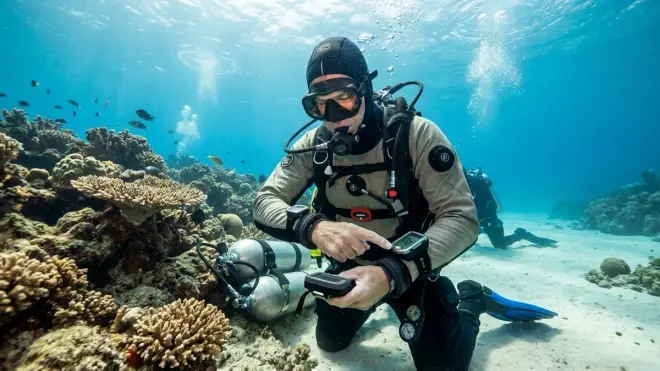
Not all heart rate monitoring dive computers use the same sensor technology or integration approach. There are three main architectures you'll encounter, each with distinct performance characteristics.
Integrated optical wrist sensors are the most common. These are watch-style dive computers with PPG sensors built into the case back. The sensor array typically consists of 2-4 green LEDs, a photodiode, and sometimes additional red or infrared LEDs for improved accuracy. Units like the Garmin Descent series, Suunto EON models, and Shearwater Peregrine TX all use this approach. The advantage is simplicity—one device, no external hardware, nothing to forget. The disadvantage is the peripheral vasoconstriction issue I mentioned earlier. In cold water, expect degraded accuracy or intermittent dropouts, especially in the first 10-15 minutes of the dive.
Chest strap transmitters paired with compatible dive computers represent the older approach, borrowed from fitness tracking. You wear an elastic strap with embedded electrodes around your chest, and it wirelessly transmits ECG data to your computer. The Suunto D-series supported this years ago via ANT+ protocol. The accuracy is significantly better than wrist-based optical sensors because ECG directly measures electrical heart activity rather than inferring it from blood flow. The problem? Try getting a stable electrode contact under a wetsuit or drysuit. The strap shifts, water intrudes between the electrodes and your skin, and signal drops out. I've tested chest straps for diving and found them frustrating enough that I'd rather skip heart rate data entirely than deal with the maintenance headache.
Hybrid systems are starting to appear that combine wrist-based optical sensors with algorithm validation using periodic manual pulse checks or pre-dive baseline measurements. Some computers prompt you to take your pulse manually before the dive to establish a reference point, then use optical data during the dive with corrections based on that baseline. This approach acknowledges the sensor limitations while still providing continuous monitoring. It's a middle ground that makes sense, though it requires the discipline to actually do the manual checks.
One variation worth mentioning: some computers offer configurable heart rate alerts. You set threshold limits—say, 120 bpm—and the computer vibrates or beeps when you exceed them. This is useful for technical divers managing workload on deep trimix dives or for older divers with cardiac considerations who need to avoid excessive exertion. The Suunto D5 lets you customize these thresholds through its dive settings menu, though I've found the default settings too conservative for most recreational divers.
For more context on how these computers integrate with broader dive planning systems, check out our guide on how to choose a dive computer and the detailed comparison of AI dive computers vs traditional dive computers.
Frequently Asked Questions
How accurate are heart rate monitoring dive computers compared to medical-grade monitors?
Heart rate monitoring dive computers typically achieve accuracy within 5-10 bpm of medical-grade ECG monitors under ideal conditions, but that accuracy degrades significantly in cold water or during active swimming. I've worn both a medical chest strap and a wrist-based dive computer simultaneously on test dives, and in water above 75°F with minimal exertion, they matched within 3-5 bpm. In 55-degree water with moderate finning, the dive computer showed readings 10-20 bpm lower than the chest ECG or lost signal entirely for 30-60 second periods. For general awareness of your cardiovascular state, they're more than adequate; for medical-grade precision, they're not there yet.
Can heart rate monitoring really improve decompression safety?
Heart rate data adds a personalization factor to decompression algorithms that traditional dive computers can't provide, but the actual safety improvement is likely modest compared to following standard conservative dive practices. The theory is sound—elevated heart rate indicates increased cardiac output and potentially faster nitrogen absorption—but the research validating adjusted algorithms is still limited. I tell people to think of it as an incremental safety margin, similar to adding a few minutes to your safety stop. It's not a substitute for proper dive planning, adequate surface intervals, and conservative ascent rates, but it's a useful data point for divers who want to optimize their profiles, particularly on repetitive multi-day diving or when pushing recreational limits. See our article on dive computer algorithms explained for more context on how decompression models work.
Do I need to calibrate heart rate sensors before diving?
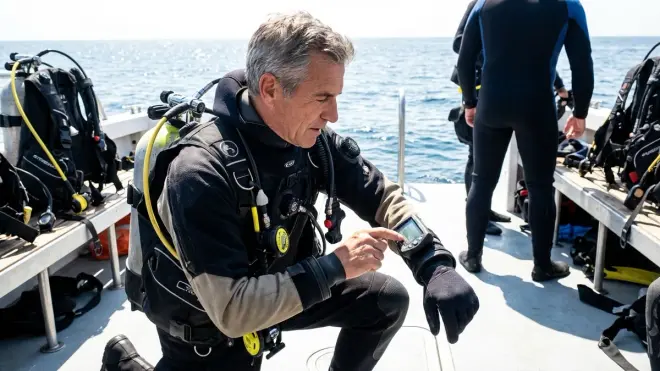
Most heart rate monitoring dive computers self-calibrate continuously and don't require manual intervention, but ensuring proper fit and sensor placement before entering the water significantly improves accuracy. The optical sensor needs firm, consistent contact with your skin—I recommend positioning the computer about one inch above your wrist bone and tightening the strap enough that the computer doesn't slide around but doesn't cut off circulation. Some computers recommend taking a baseline reading on the surface before descending, which gives the algorithm a reference point for detecting elevated heart rates during the dive. If you're diving with a new computer or in significantly different conditions than usual, spending 30 seconds on the surface to let the sensor lock onto your pulse is worth it. Our guide on how to calibrate biometric dive sensors covers the detailed setup process.
Does heart rate monitoring work through wetsuits and drysuits?
Heart rate sensors in dive computers must have direct skin contact to function, so the computer needs to sit on bare skin with no wetsuit or drysuit sleeve material between the sensor and your wrist. For wetsuit diving, this means wearing the computer outside your wetsuit sleeve, which most divers do anyway for easy visibility. For drysuit diving, you'll need to either wear the computer outside your drysuit sleeve—which exposes it to the coldest water and increases vasoconstriction issues—or use a drysuit with latex or silicone wrist seals that allow you to wear the computer underneath against your skin. I've found the under-seal approach works better in truly cold water because it maintains better peripheral circulation, but it makes checking your computer more cumbersome since you need to extend your arm far enough to see the screen clearly.
What happens to heart rate data if the sensor loses signal during a dive?
If the optical sensor loses contact or signal quality drops below usable thresholds, heart rate monitoring dive computers typically default to their standard decompression algorithm without the heart rate adjustment factor, essentially behaving like a traditional dive computer until signal is reestablished. The computer continues logging the dive profile normally—depth, time, temperature—and just shows a blank or dashed reading where heart rate would display. Some computers, like Shearwater models, apply a small conservatism penalty if they lose heart rate data for extended periods on dives where the algorithm was relying on that data, reasoning that it's safer to be conservative when you're missing information. When signal returns, the computer resumes heart rate monitoring and typically doesn't try to backfill the missing data gap. Post-dive logs show the dropout clearly, which helps you identify patterns—if you're consistently losing signal at the same point in dives, it's usually a fit or positioning issue you can correct.
Summary
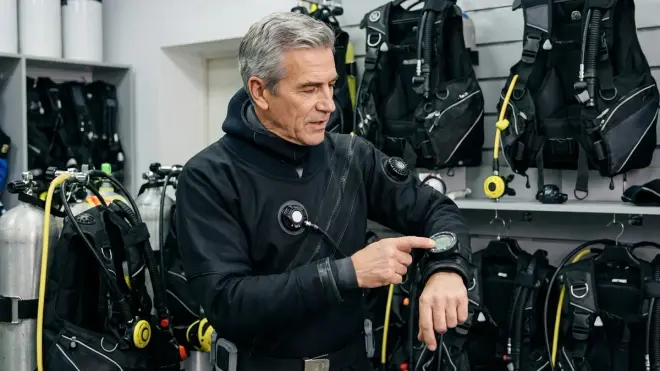
Heart rate monitoring dive computers represent a meaningful evolution in dive technology, bringing personalized cardiovascular data into an environment where understanding your physiological state can directly impact safety and gas consumption. The optical sensors work well enough in typical recreational conditions to provide useful awareness of exertion levels and enable modest algorithm adjustments for conservative divers, though cold water and peripheral vasoconstriction remain limiting factors. After watching this technology mature over the past several years, I think it's genuinely useful for divers who want quantifiable feedback on their physical state underwater—not revolutionary, but incrementally valuable. If you're already in the market for a new dive computer and the model you're considering includes heart rate monitoring, it's worth having. If you're deciding whether to upgrade solely for this feature, I'd say wait unless you're doing demanding dive profiles where that extra layer of data and conservatism genuinely matters. For most recreational divers, proper training, conservative profiles, and awareness of your own breathing and exertion will keep you safe with or without a pulse sensor on your wrist. But if you're the kind of diver who wants every available data point—and I've been that diver plenty of times—it's a tool worth understanding and using correctly.
For additional context on integrating this technology into your dive planning and setup, see our articles on dive computer biometric integration, how to choose a biometric dive computer, and our overview of biometric dive technology as a whole.