
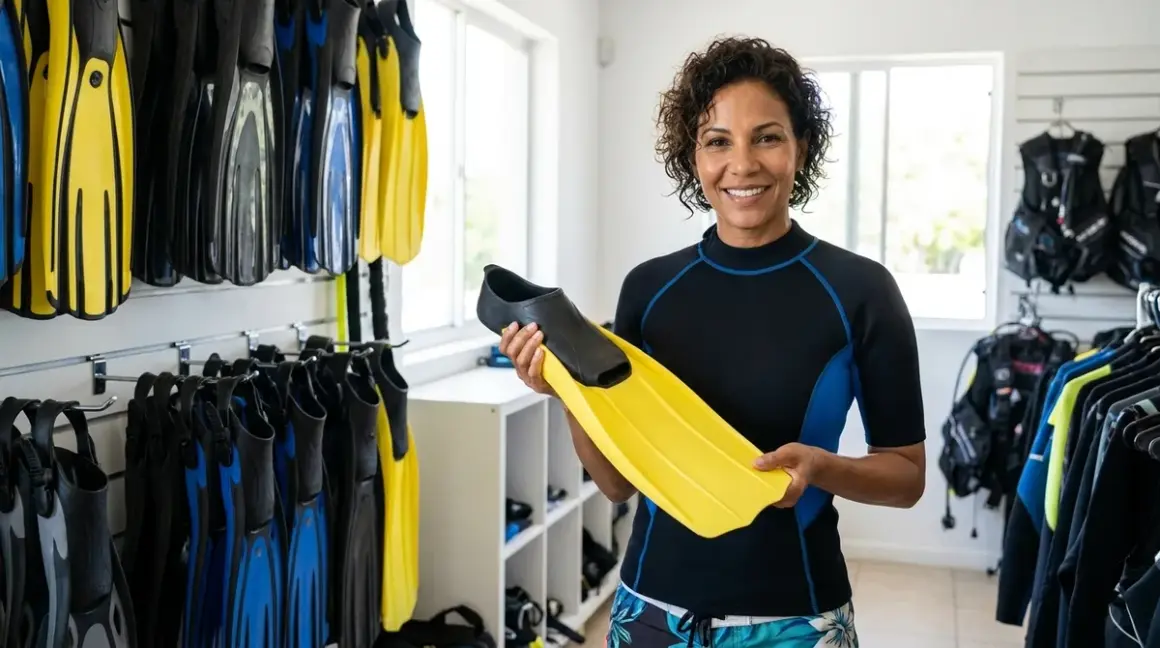

Your scuba fins are probably the most physically demanding piece of gear you'll use underwater—they're your entire propulsion system down there. I learned this the hard way on my fifth dive when I rented a pair that were way too stiff for my fitness level, and I was completely gassed after twenty minutes of fighting current. Choosing the right fins can make the difference between gliding effortlessly through the water and ending every dive exhausted and frustrated.
What Are Scuba Fins?
Scuba fins are specialized footwear designed to convert your leg movements into efficient underwater propulsion. They work by creating a much larger surface area than your bare feet could provide, which means each kick pushes significantly more water behind you and moves you forward with less effort.
Think of fins as the underwater equivalent of snowshoes—they distribute force over a larger area to make movement more efficient in a challenging environment. Without fins, you'd be paddling around like a confused sea turtle, burning through your air supply just trying to stay in one place against even the mildest current.
The basic anatomy of a scuba fin includes the foot pocket (where your foot sits), the blade (the flat section that pushes water), and usually some kind of strap or spring system to secure everything to your foot. Some fins have open heel designs with adjustable straps, while others are full-foot designs that slip on like shoes.
I remember being overwhelmed by all the different fin styles when I was first building my gear collection. There were split fins, paddle fins, weird skeletal-looking fins, short stubby ones, and massive long blades. It seemed like every manufacturer was claiming their design was revolutionary. Learning what actually matters—and what's just marketing—took me a lot of trial and error (and a few dives where I wished I'd made different choices).
How Scuba Fins Work
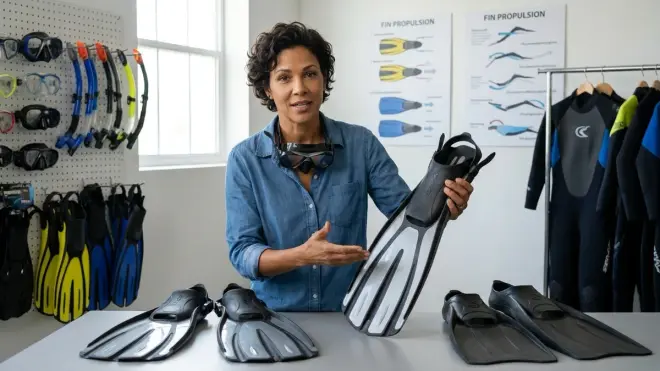
The mechanics of fin propulsion are actually pretty fascinating once you understand them. When you kick, the fin blade pushes water backward, and Newton's third law does its thing—you get pushed forward with equal force. The larger and stiffer the blade, the more water you can push with each kick, but also the more leg strength and energy you need to flex that blade.
This is where fin design gets interesting. A stiffer blade made from rigid materials gives you more power per kick, which is great if you're fighting current or carrying camera equipment like I usually am. But that same stiff blade can be exhausting if you're doing multiple dives per day or if your legs aren't super strong. Softer, more flexible blades require less effort but don't generate as much thrust, so you end up kicking more frequently.
Blade length also plays a huge role in efficiency. Longer blades create more leverage and push more water, which means you can use a slower, more relaxed kick cycle. Short blades require faster, more frequent kicks to maintain the same speed. I learned this difference when I switched from my short travel fins to longer paddle fins for a drift dive in Caye Caulker—the longer blades let me maintain position in the current with way less effort.
The shape of the blade matters too. Traditional paddle fins have a solid, flat blade that channels water straight back. Some have ridges or vents along the sides to improve water flow and reduce strain on your ankles. Split fins have a gap down the middle that lets water flow through in a specific pattern, supposedly reducing effort—though honestly, I found them weird to use at first and they don't give me the same sense of power when I need to move quickly.
Modern fin designs often include features like angled blades that position your leg and foot at a more natural kicking angle, reducing ankle fatigue. Some have side rails or scooped channels that are supposed to capture and direct water flow more efficiently. I'm still figuring out how much of this is genuinely helpful versus marketing hype, but I definitely notice the difference between well-designed fins and cheap rental pairs.
The foot pocket design affects your whole kicking experience too. Open heel fins have an adjustable strap (or spring strap) and are worn with booties, which gives you more flexibility for fit and thermal protection. Full-foot fins slip directly onto your bare foot like a shoe—they're lighter and more efficient, but you're committed to that exact size and you can't wear them with thick booties for cold water or protection.
Why Scuba Fins Matter for Your Diving Experience
I used to think fins were just fins—how different could they really be? Then I did a three-dive day with poorly-fitted rental fins and could barely walk up the dock stairs afterward because my calves were so cramped. The right fins dramatically affect how much energy you burn, how much air you consume, and whether you finish dives feeling accomplished or completely wiped out.
Fin efficiency directly impacts your air consumption. When I'm working hard against current with fins that don't match my strength and kick style, I breathe faster and heavier, which means shorter dive times. With properly matched fins, I maintain a slower, more relaxed breathing rate because I'm not fighting my equipment. On a recent wall dive in Belize, my buddy and I surfaced at the same time, but he had 700 psi more than me—and the main difference was that he'd invested in good paddle fins while I was still using borrowed splits that just didn't work for my kick style.
Fins also affect your buoyancy control and body position in the water, which is especially important for underwater photography—my main passion underwater. Different fin types change where your center of balance is and how your body naturally tilts. When I switched to stiffer fins with a more aggressive blade angle, I noticed I could hold horizontal trim more easily without constantly adjusting my BCD. That might sound like a small thing, but it makes a massive difference when you're trying to get close to a shy subject without kicking up sand or bumping into coral.
The right scuba fins also make advanced techniques possible. Frog kicks, helicopter turns, and backwards kicks—skills that are super useful for careful maneuvering around fragile reef environments—are way easier with certain fin styles. I'm still working on my frog kick, and I've learned that my split fins make it basically impossible, while traditional paddle fins let me practice the technique properly.
Comfort matters more than I initially realized too. Poorly fitted fins cause blisters, cramps, and muscle fatigue that can ruin a dive trip. I've had fin straps dig into my ankles so badly that I had marks for days afterward. I've also experienced foot cramps from foot pockets that were too small and didn't let my feet flex naturally. Now I know that getting the fit right—even if it means trying on a bunch of different models—is absolutely worth the effort.
Types and Variations of Scuba Fins
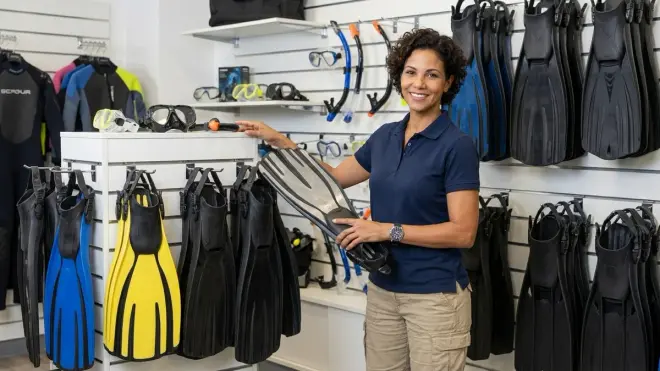
The fin market can feel overwhelming, but most scuba fins fall into a few main categories based on blade design and foot pocket style. Understanding these differences helped me make sense of all the options.
Paddle Fins
Traditional paddle fins feature a solid, continuous blade and are probably what you picture when you think "swim fin." They're the most common design and have been around basically forever because they work. The blade channels water directly backward with each kick, giving you a solid sense of power and control.
I switched to paddle fins after my instructor suggested them for the strong currents we sometimes get around the reef here in Belize. The extra thrust per kick makes a real difference when you're fighting to maintain position. Modern paddle fins like the Scubapro Seawing Nova have added features like vents and flex zones to reduce the effort required while maintaining power. That specific model was way easier on my legs than the old-school rental paddles I'd been using.
Split Fins
Split fins have a vertical gap running down the middle of the blade that splits the fin into two separate sections. The theory is that this design channels water through the split in a way that reduces resistance and requires less effort per kick. When I first tried them, they felt really strange—like I wasn't pushing against anything—but some divers absolutely swear by them.
Honestly, I went back to paddle fins pretty quickly. Split fins work well for steady, relaxed cruising in calm conditions, but I never felt like I had enough power when I needed to move against current or reposition quickly for a photo. They're also terrible for any kick style other than standard flutter kicks. Your experience might be different—lots of divers love them, especially people with knee issues or older divers who prioritize reducing effort over maximum thrust.
Adjustable and Open Heel vs Full-Foot Designs
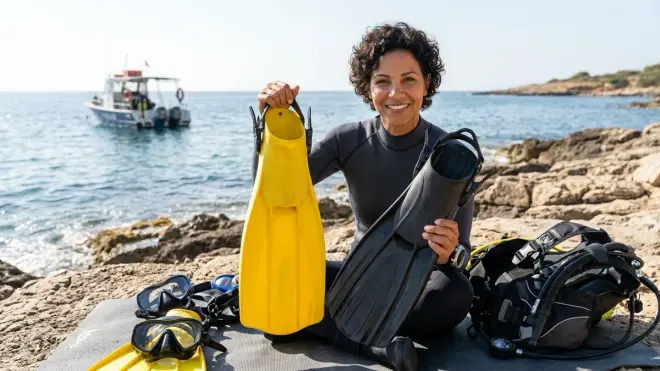
Open heel fins have an adjustable strap system and a foot pocket designed to be worn with neoprene booties. These are the most versatile option because you can wear thicker or thinner booties depending on water temperature, and you have some adjustment room if your feet swell during the day or if you're sharing fins with someone whose foot size is close to yours.
I use open heel fins for basically everything because I dive year-round, and sometimes I need thick 5mm booties while other times I'm in thin 3mm ones. The strap maintenance is a bit annoying—I've had to replace broken straps a couple times—but many divers upgrade to spring straps that are way more durable and easier to get on and off.
Full-foot fins slip directly onto your bare foot like a shoe, with no separate strap. They're lighter, more streamlined, and generally more efficient because there's no gap between your foot and the fin. They're popular for warm water diving and snorkeling. I tried them once on a trip where I knew I'd only be doing warm, shallow dives, and the lighter weight was really nice for travel. But I worried the whole time about stepping on sharp coral or urchins without booties protecting my feet, and the fit has to be absolutely perfect or you'll get blisters.
Blade Materials and Construction
Fin blades are typically made from rubber, thermoplastic, or composite materials, each with different flex characteristics and durability. Traditional rubber fins are super durable and provide consistent performance, but they're heavier—not ideal if you're trying to keep your gear bag under airline weight limits.
Thermoplastic and composite fins can be engineered with specific flex patterns and are usually lighter, which I appreciate as someone who travels with gear regularly. Some high-end fins even use carbon fiber or fiberglass reinforcement for specific stiffness characteristics. I'm still using mid-range thermoplastic fins and they've been great for my needs, though I sometimes wonder if I'm missing out on the fancy materials.
You can dive deeper into the technical differences in blade material properties if you want to really understand the engineering—I'm honestly still learning that stuff myself.
Special Purpose Fins
There are also specialized fins designed for specific diving situations. Travel fins are shorter and lighter, designed to pack easily—though you sacrifice some efficiency. Force fins and other alternative designs try to mimic marine animal propulsion. Freediving fins have extremely long blades for surface swimming but are completely wrong for scuba diving.
For most recreational divers like me who do reef dives, occasional current diving, and maybe some underwater photography, a solid pair of adjustable paddle fins covers probably 90% of your needs. I'm still figuring out my ideal setup, but I know enough now to avoid the gimmicky stuff and focus on proven designs that match my actual diving style.
Choosing the Right Scuba Fins for Your Needs

Selecting fins that actually match how you dive makes such a huge difference in your underwater experience. I wasted money on fins that looked cool but didn't work for my actual needs, so here's what I wish someone had told me when I started.
Match Fins to Your Fitness Level and Kick Style
Be honest about your leg strength and fitness. I thought I needed the stiffest, most powerful fins because I wanted maximum efficiency, but I wasn't strong enough to use them effectively. I'd get tired halfway through dives and my kick technique would fall apart. When I switched to medium-stiffness paddle fins, my air consumption improved and dives became way more enjoyable.
If you're newer to diving or don't have super strong legs, look for fins with softer or medium-flex blades. If you're very fit or want to handle strong currents, stiffer blades give you more thrust per kick. Most manufacturers label their fins with stiffness ratings—actually pay attention to those instead of just going for the pro model.
Consider Your Primary Diving Environment
Where you dive most often should guide your choice. I dive mostly in warm Caribbean waters with occasional moderate current, so I prioritized efficiency and power over extreme cold-water performance. If you're diving in cold water with a drysuit, you'll need larger foot pockets to accommodate thick neoprene socks, and you'll probably want stiffer blades to compensate for the added drag.
Travel frequency matters too. If you're flying to dive destinations regularly, compact fins that pack small and weigh less might be worth the trade-off in ultimate performance. I've been researching travel-specific models lately because I'm tired of paying overweight baggage fees, but I haven't pulled the trigger yet because I worry I'll miss the power of my current fins.
Fit Is Everything
I cannot stress this enough: scuba fins must fit correctly or they will make you miserable. Too tight and you'll get cramps and blisters. Too loose and they'll slip around, give you blisters in different places, and might even fall off—I've seen this happen to someone on a dive boat and it was not fun watching him try to swim back without fins.
For open heel fins with booties, bring the exact booties you'll dive with when you're trying on fins. The foot pocket should hold your foot snugly without crushing your toes or putting pressure points on the top of your foot. Your toes shouldn't be jammed against the end, but they shouldn't have tons of empty space either. When you flex your foot, the fin should flex with it smoothly.
For full-foot fins, you want a snug fit all around without tight spots. These are trickier to get right because you can't adjust them. I actually recommend getting professionally fitted at a dive shop for full-foot fins if you can—it's worth it.
Check out the detailed fin sizing and fit guide for way more specifics than I can cover here. That article goes into all the measurement details and common fit problems.
Test Before Committing If Possible
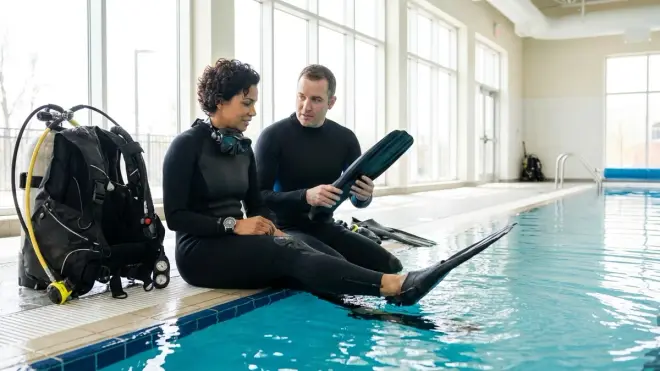
If your dive shop has a pool testing program or if you can rent different fin styles before buying, absolutely do that. What feels comfortable on land often feels completely different once you're actually finning through water. I thought I loved a particular fin model until I spent forty minutes swimming in them and realized the blade angle was putting weird strain on my ankles.
Don't be afraid to ask your instructor or dive buddies if you can try their fins on a shallow dive to get a sense of different styles. Most divers are happy to let you try their backup pair or swap for part of a dive—that's how I first tried paddle fins and realized they were way better for me than splits.
Budget Appropriately
Quality scuba fins typically range from around $100 for decent entry-level models to $250+ for high-end designs with advanced materials and features. This feels like a lot when you're starting out and trying to build a full gear setup piece by piece (believe me, I know), but fins are something you'll use on literally every dive for years.
I started with budget fins around $80, used them for about thirty dives, then upgraded to a better pair around $150 that completely changed my experience. I wish I'd just invested in the better fins from the start instead of spending $80 on fins I ended up replacing. That said, if budget is really tight, decent mid-range fins are a way better investment than cheap fins that will frustrate you or potentially even hurt you.
Breaking In New Fins
New fins usually need some break-in time, especially with the foot pocket material. I made the mistake of doing a three-dive day with brand new fins that hadn't been worn at all, and I got blisters despite them fitting well in the shop. Now I always do short, easy dives in new fins first and make sure I've got some blister prevention strategies ready just in case.
Some divers recommend wearing your new fins around the house with booties for short periods to help the material form to your foot shape before diving. I felt ridiculous doing this, but it actually helped.
Maintaining and Caring for Your Scuba Fins
Fins are pretty low-maintenance compared to your regulator or dive computer, but taking care of them properly extends their life and keeps them performing well.
Post-Dive Rinsing
Always rinse your scuba fins thoroughly with fresh water after every dive, especially after saltwater dives. Salt crystals can build up in the foot pockets, straps, and around buckles, making the rubber stiff and eventually causing cracking. I learned this when I was lazy about rinsing my first pair of fins and the foot pocket material got all stiff and uncomfortable.
Pay special attention to strap buckles and spring strap attachment points where salt can accumulate and cause corrosion on metal parts. I usually soak my fins in fresh water for at least 15-20 minutes after a dive day, then rinse them well before hanging them to dry.
Proper Storage
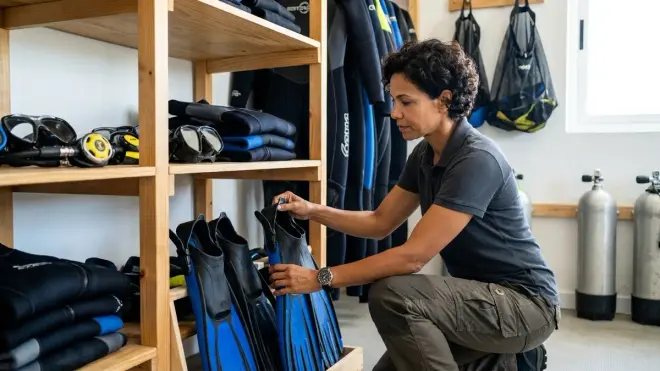
Store fins in a cool, dry place away from direct sunlight. UV exposure degrades rubber and thermoplastic materials, making them brittle over time. I keep mine in my mesh gear bag in a closet when I'm not using them, which protects them from sun while still letting air circulate.
Don't store fins with anything heavy on top of them that could bend or warp the blades. I made this mistake once and ended up with a permanent weird bend in one blade that affected my kick symmetry. Also avoid storing them in extremely hot places like car trunks—heat accelerates material degradation.
Inspecting for Damage
Before each dive trip, check your fins over for any cracks, tears, or loose parts. Look carefully at the foot pocket, especially around high-stress areas where the blade meets the pocket. Check straps for fraying or weakness, and test that buckles are functioning smoothly.
I carry a spare fin strap in my gear bag because I've had straps break at the worst possible times. The strap itself is cheap and easy to replace, but having a broken fin far from home without a spare would completely ruin a dive trip. Many divers upgrade to spring straps specifically because they're more reliable—that's on my list of upgrades but I haven't done it yet.
Dealing with Common Problems
If your foot pocket is feeling really stiff, you can apply a small amount of silicone lubricant (the stuff you use for mask skirts) to soften it up and make it easier to get on. This also helps prevent blisters in problem areas.
For stubborn salt buildup, you can use a solution of white vinegar and water to dissolve the crystals—just rinse thoroughly afterward. Some divers use mild soap for cleaning, which is fine, but make sure you rinse it all out completely so it doesn't make the fin slippery.
Frequently Asked Questions
What is the difference between scuba fins and snorkeling fins?
Scuba fins are designed for the specific demands of underwater diving with compressed air equipment—they're generally stiffer and more powerful than snorkeling fins because scuba divers carry more equipment weight and need thrust to maintain position against current at depth. Snorkeling fins are typically lighter, softer, and shorter since snorkelers stay at the surface and don't need as much power. Many snorkeling fins are full-foot designs optimized for warm, shallow water, while most scuba fins are open-heel with adjustable straps to accommodate various bootie thicknesses for different water temperatures. You can use scuba fins for snorkeling, but snorkeling fins usually aren't powerful enough for scuba diving, especially once you're carrying camera gear or dealing with current.
Should beginner divers choose split fins or paddle fins?
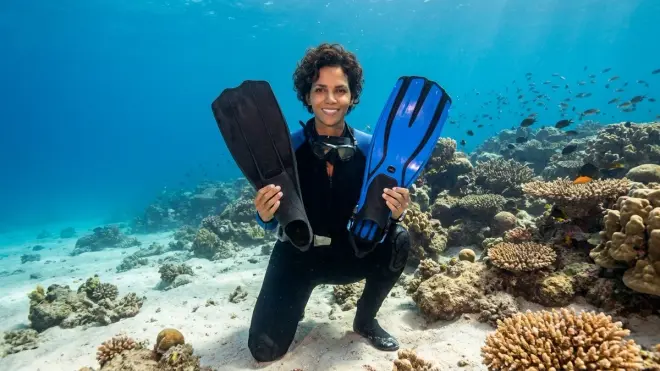
Beginner divers generally do better with paddle fins because they provide clearer feedback about your kick technique and make it easier to learn proper finning form, plus they work with all kick styles including frog kicks and back kicks that you'll want to develop as you progress. Split fins might feel easier initially because they require less effort, but they only really work with flutter kicks and can actually hide poor technique that will limit you later. I started with basic paddle fins with medium flex and I'm glad I did—they helped me develop good habits and they've grown with me as my skills improved. That said, if you have knee problems or limited leg strength, split fins might be worth considering despite their limitations. Check out recommendations for new divers if you want more specific guidance for just starting out.
How tight should scuba fins fit on my feet?
Scuba fins should fit snugly enough that they don't slip or move around during your kick cycle, but not so tight that they create pressure points or restrict blood flow to your feet. With open-heel fins and booties, your foot should slide into the pocket with moderate effort—not too easily and not requiring serious force. Your toes shouldn't be crammed against the end or have more than about half an inch of empty space. The sides of the foot pocket should hold your foot without squeezing uncomfortably, and when you point and flex your foot, the fin should move naturally with it rather than binding or rubbing. With full-foot fins on bare feet, you want a snug all-around fit similar to a shoe that's properly sized—comfortable for extended wear but secure enough that the fin becomes an extension of your foot. If you're getting blisters, cramps, or numb toes, the fit is wrong, and you can find detailed troubleshooting in the fin fit checklist.
Can I fly with scuba fins in my carry-on luggage?
You can usually bring scuba fins in carry-on luggage according to TSA guidelines, but the final decision is always up to the individual security officer, and longer fins might not fit in overhead bins depending on the aircraft. I've traveled with fins in both carry-on and checked bags—when I carry them on, I usually strap them to the outside of my backpack or pack them along the long side of my travel bag where they're most likely to fit. The benefit of carrying them on is you'll have them even if your checked bag gets lost, which has happened to me once and it was awful. The downside is they're bulky and can make your bag difficult to manage. Many divers who travel frequently invest in compact travel fins specifically designed to pack smaller, though you do sacrifice some performance. If you're checking your fins, make sure they're well-padded so they don't get damaged—I wrap mine in my wetsuit for protection.
How often should I replace my scuba fins?
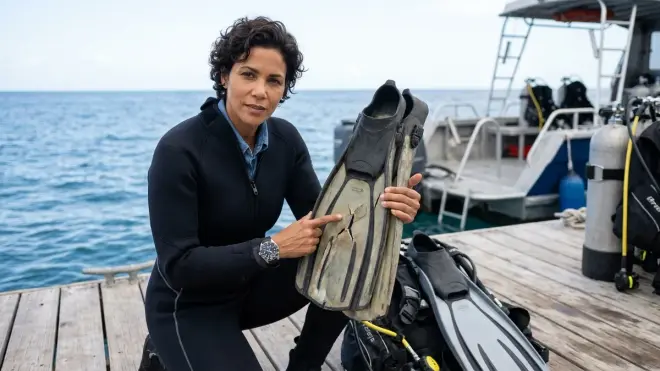
You should replace scuba fins when the materials show significant degradation like cracking, permanent warping, or loss of flexibility, or when the foot pocket no longer fits securely even after replacing straps. With proper care—regular rinsing, avoiding UV exposure, and correct storage—quality fins can easily last 5-10 years or even longer for recreational divers doing a moderate number of dives per year. I'm still using fins I bought three years ago with probably eighty dives on them, and they're showing no signs of needing replacement yet. The straps typically wear out before the fins themselves, and those are easy to replace. Check your fins before each dive trip for any cracks in high-stress areas, degradation of the rubber or thermoplastic material, or delamination of bonded components. If you start noticing reduced performance, like the blade feeling mushy or not springing back properly, that's also a sign the materials are breaking down. Rental fins and heavily-used fins obviously wear out much faster than personally-owned fins that are properly maintained.
Getting Started with Your Perfect Fins
Choosing scuba fins might seem complicated at first—trust me, I was completely overwhelmed when I started researching—but it mostly comes down to matching a few key factors: your fitness level, your primary diving conditions, and getting the fit absolutely right. Start with medium-stiffness paddle fins if you're unsure, prioritize comfort over looks or fancy features, and don't be afraid to try different options before committing to an expensive pair.
The difference between struggling through dives with the wrong fins and gliding effortlessly with the right ones is honestly night and day. I'm still learning and refining my preferences as I gain experience, but investing time in understanding what actually matters for fin selection has made my diving so much more enjoyable. Your fins are literally your engine underwater—choose wisely and they'll serve you well for years and hundreds of dives.