
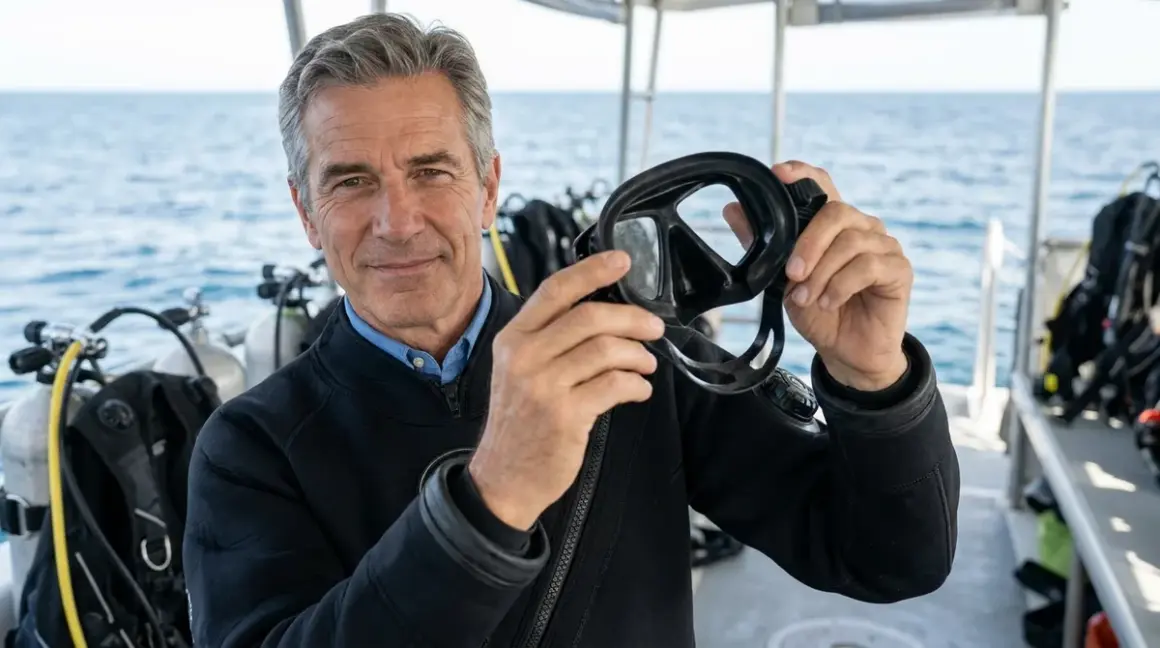

I've watched divers struggle with leaking masks for forty years, and ninety percent of the time, it comes down to one thing: they don't understand what they're looking at when they pick up a mask. The scuba mask skirt materials and seal design determine whether you spend your dive enjoying the reef or constantly clearing water from your eyes. Here's what you actually need to know about the rubber touching your face.
What Is a Scuba Mask Skirt?
The skirt is the soft, flexible seal that creates the watertight barrier between your face and the ocean. It's the portion of the mask that makes direct contact with your skin—wrapping around your eyes, across your cheeks, over the bridge of your nose, and against your forehead if you're wearing a framed design.
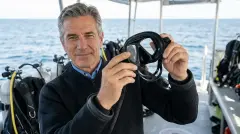
When I started diving in the late 1970s, mask skirts were thick, stiff rubber compounds that left red marks on your face after every dive. The materials were heavy, the designs were primitive, and we accepted leaks as part of the sport. Modern scuba mask skirt materials have evolved into sophisticated elastomers engineered for comfort, durability, and most importantly, creating a reliable seal across different face shapes and dive conditions.
The skirt isn't just a gasket—it's a critical piece of your life-support equipment. A compromised seal means water intrusion, which means distraction, which means you're not watching your depth, your buddy, or that barracuda sizing you up. I've seen divers abort dives, miss incredible wildlife encounters, and develop genuine anxiety about descending—all because their mask skirt wasn't doing its job.
The quality of the seal affects everything: mask squeeze equalization, fogging issues, comfort during long dives, and even how well you can execute a proper mask clear when you need to.
How Mask Skirt Materials and Seal Technology Work
The science behind mask skirt materials centers on creating a flexible barrier that conforms to facial contours while maintaining structural integrity under pressure. Most modern masks use silicone elastomers—long-chain polymers that remain pliable across temperature ranges from tropical warmth to cold-water diving conditions.
Here's the thing: silicone doesn't create a seal through compression alone. The material works through surface tension and micro-conformity. When you press a quality silicone skirt against your face without the strap, it should stick briefly—that's the material conforming to microscopic variations in your skin topology. The strap then maintains that contact pressure, but if the skirt material is too stiff or the feathered edge too thick, you'll never get full contact.
The Feathered Edge Design
The outer edge of the skirt—what we call the feathered edge or seal edge—is where the actual waterproofing happens. Quality manufacturers thin this edge to around 0.5-0.8mm, creating a flexible lip that moves with your facial expressions. When you smile, grimace, or work your jaw to equalize pressure, that thin edge flexes rather than lifting away and breaking the seal.
I tell people to look at the edge in good light. If it's translucent enough to see light through it, it's probably thin enough. If it looks opaque and thick, you're going to fight leaks every time you descend.
Double-Skirt Technology
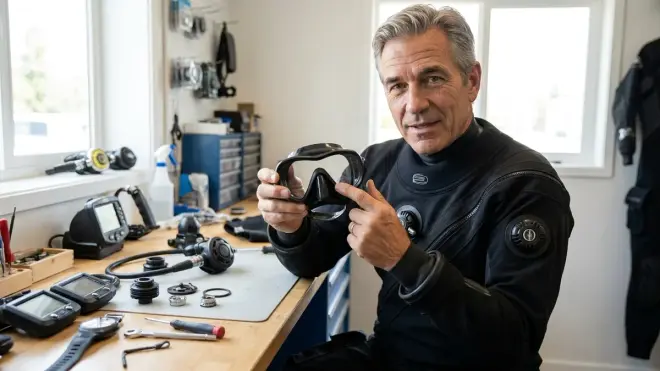
Some masks—particularly models like the Scubapro Spectra and similar designs—feature dual-skirt construction: an inner sealing skirt with a feathered edge and an outer structural skirt that provides rigidity and attaches to the frame or frameless faceplate. The inner skirt handles the seal; the outer handles mechanical stress from the strap tension.
I've logged hundreds of dives with double-skirt masks, and they're noticeably more forgiving on facial hair and irregular contours. The trade-off is slightly more bulk and weight—but for cold-water diving where hood interfaces complicate sealing, the dual-skirt design has saved me more aggravation than I can count.
Material Chemistry Variations
Not all silicone is created equal. Medical-grade silicone uses platinum-cure catalysts rather than peroxide-cure systems. The result is a hypoallergenic material that doesn't off-gas volatile compounds or degrade as quickly when exposed to UV, ozone, and petroleum-based products.
I've seen cheap masks with peroxide-cured skirts turn brittle and discolored after a single summer season in Florida sun. The silicone develops micro-cracks along stress points where the skirt folds, and suddenly you're getting pinhole leaks that no amount of strap adjustment will fix. Quality manufacturers specify platinum-cure silicone, though they don't always advertise it clearly on the packaging.
How Pressure Affects Seal Performance
As you descend, ambient pressure increases and the mask airspace wants to compress. This creates negative pressure inside the mask relative to your face—what we call mask squeeze. A quality silicone skirt remains flexible enough to maintain seal contact even as pressure differential pulls the mask toward your face, but stiff or poorly designed skirts can actually fold or wrinkle under these forces, breaking the seal precisely when you need it most.
Why Scuba Mask Skirt Materials Matter
In forty-plus years of fitting divers with masks, I've learned that skirt quality separates a tool you trust from a piece of gear you tolerate. The material determines seal reliability, comfort duration, and maintenance lifespan—three factors that directly affect your diving experience and safety.
Seal Reliability Across Conditions
A mask that seals perfectly in a pool might flood at 80 feet when you're working hard on a wreck penetration and your facial muscles are tensed. Scuba mask skirt materials with proper durometer ratings (usually Shore A 30-50 for the feathered edge) maintain flexibility across pressure changes, thermal variation, and facial movement.
I've watched divers with budget masks spend half their bottom time clearing water instead of enjoying the dive. That's not just annoying—it's task-loading that reduces your situational awareness and increases gas consumption. A quality silicone skirt creates a set-it-and-forget-it seal that doesn't demand constant attention.
Comfort and Contact Pressure
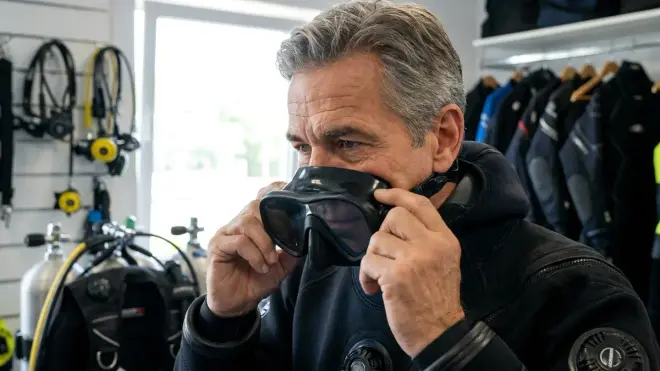
Cheap rubber or poorly formulated silicone requires excessive strap tension to maintain a seal, which leads to headaches, pressure marks, and genuine discomfort on long dives or multi-day liveaboard schedules. I tell people: if your mask leaves deep red grooves in your face after a 45-minute dive, the skirt material is wrong for you—either it's too stiff, the design doesn't match your face geometry, or you're over-tightening to compensate for a poor seal.
Premium silicone masks seal with surprisingly light strap pressure. I've done entire dives with straps loose enough that I can slide two fingers underneath—the skirt material itself is doing the work.
Longevity and Maintenance Requirements
Quality scuba mask skirt materials resist UV degradation, ozone cracking, and chemical damage from sunscreen, defog solutions, and petroleum-based products. A platinum-cure silicone skirt should last five to seven years with proper care—meaning regular freshwater rinses, storage away from direct sunlight, and occasional inspection for micro-tears or surface degradation.
I've got masks in my personal collection from the early 2000s with skirts still pliable and functional. Compare that to cheaper masks that need replacement after 18 months because the silicone has hardened or the feathered edge has developed permanent creases. The economics alone justify spending more upfront for better materials. Proper scuba mask maintenance extends that lifespan even further.
Types and Variations in Skirt Design
Manufacturers differentiate their masks primarily through skirt geometry, material formulation, and color options—each with practical implications for different diving scenarios.
Clear vs. Black Silicone
Black silicone skirts reduce internal reflections and peripheral light intrusion, improving visual contrast underwater—particularly beneficial for photography work or low-visibility conditions. Clear or translucent skirts provide better peripheral vision and create a less claustrophobic feel for new divers or those uncomfortable with restricted vision.
I personally prefer black skirts for wreck diving and photography, but I recommend clear skirts for training scenarios and for divers who've expressed any anxiety about feeling enclosed. The difference in actual light transmission is minimal; it's mostly psychological—but psychology matters when you're at 60 feet.
Low-Volume vs. Traditional Designs
Low-volume masks feature skirts that sit closer to the face, reducing internal airspace. This requires less air for equalization and makes clearing easier, but demands more precise fit since there's less forgiveness in the skirt geometry. The skirt material must be especially pliable to conform to tighter facial contours.
Traditional higher-volume masks use longer, more flexible skirt geometry that accommodates wider facial variation. They're generally easier to fit but require more exhalation effort to clear when flooded.
Frameless vs. Framed Skirt Attachment
Frameless masks mold the skirt directly to the lens assembly, creating a single-piece construction that's compact and lightweight. The skirt material itself must provide all structural support, so these designs typically use slightly thicker silicone in the upper portions while maintaining thin feathered edges.
Framed masks attach the skirt to a rigid frame structure, allowing thinner overall skirt profiles since the frame handles mechanical loads. This can improve seal performance but adds weight and bulk—relevant for travel diving considerations.
Specialty Skirt Features
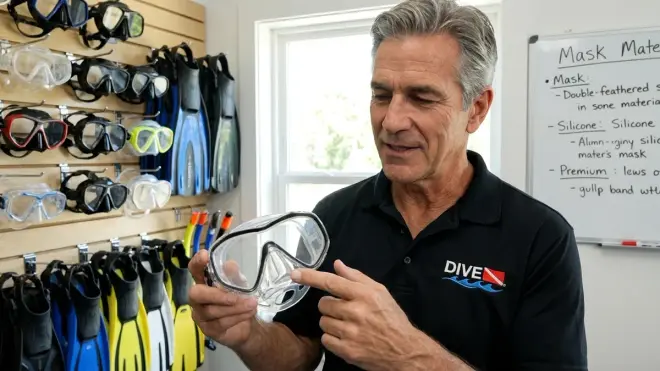
Some masks incorporate nose pockets with textured grips molded into the skirt for better pinch purchase during equalization. Others feature comfort ribs or drainage channels molded into the inner skirt surface to reduce suction against skin and minimize trapped water. I've found these features helpful but not essential—basic skirt quality matters more than elaborate design flourishes.
Frequently Asked Questions
What is the best silicone type for scuba mask skirt materials?
Platinum-cured medical-grade silicone is the best material for scuba mask skirts because it resists UV degradation, remains hypoallergenic, and maintains flexibility across temperature ranges from tropical to cold water without becoming brittle or sticky over time. This material typically lasts five to seven years with proper care, compared to peroxide-cured silicone which often hardens and cracks within 18-24 months of regular use.
How can I tell if a mask skirt is good quality before buying?
Check the feathered edge thickness by holding it up to light—it should be translucent enough to see through, indicating a thin, flexible seal edge around 0.5-0.8mm thick. Press the skirt against your face without the strap to test if it creates brief suction from surface tension alone, and examine the silicone for uniform color without cloudiness or visible mold lines, which indicate poor manufacturing quality that will compromise the seal.
Do clear or black mask skirts seal better?
The silicone color itself doesn't affect seal performance—black and clear skirts using identical material formulations seal equally well. The choice comes down to optical preference: black reduces internal reflections and peripheral light intrusion for better contrast underwater, while clear provides more peripheral awareness and feels less confining for divers who prefer an open visual field or experience any claustrophobia.
Why does my mask leak even though the skirt looks fine?
Mask leaks with apparently intact skirts usually result from facial hair interfering with the seal, excessive or insufficient strap tension, mismatched skirt geometry for your specific facial structure, or silicone that has hardened from age, UV exposure, or petroleum contamination even though visible cracks haven't appeared yet. Try the no-strap suction test—if the mask won't stay on your face through gentle head movement without the strap, the skirt isn't conforming properly to your face shape regardless of how it looks.
How often should I replace my mask based on skirt condition?
Replace your mask when the silicone skirt shows permanent creasing, develops micro-cracks visible under magnification, loses flexibility and feels stiff compared to a new mask, or requires excessive strap tension to maintain a seal that it previously held with light pressure. With quality platinum-cure silicone and proper storage away from direct UV and petroleum products, you should get five to seven years of regular diving before replacement becomes necessary—but inspect the skirt before every dive trip for developing issues.
Summary

Scuba mask skirt materials determine whether your mask becomes a trusted piece of equipment or a constant source of frustration. Quality platinum-cured silicone with properly feathered edges, appropriate durometer ratings, and thoughtful geometry creates reliable seals across pressure changes, facial movements, and environmental conditions. I've fitted thousands of divers over four decades, and the single best investment you can make is understanding what you're looking at when you examine that rubber touching your face—because a mask that doesn't seal isn't just annoying, it's a liability.
The difference between a $30 mask and a $120 mask usually comes down to silicone quality and skirt engineering, not marketing hype. Learn to recognize thin feathered edges, test for material flexibility, and understand how double-skirt designs improve seal reliability. Your face will thank you 80 feet down when you're watching a sea turtle instead of clearing water for the sixth time. Choose your mask based on proper fit, maintain the silicone properly, and that skirt will keep the ocean where it belongs—outside looking in.