
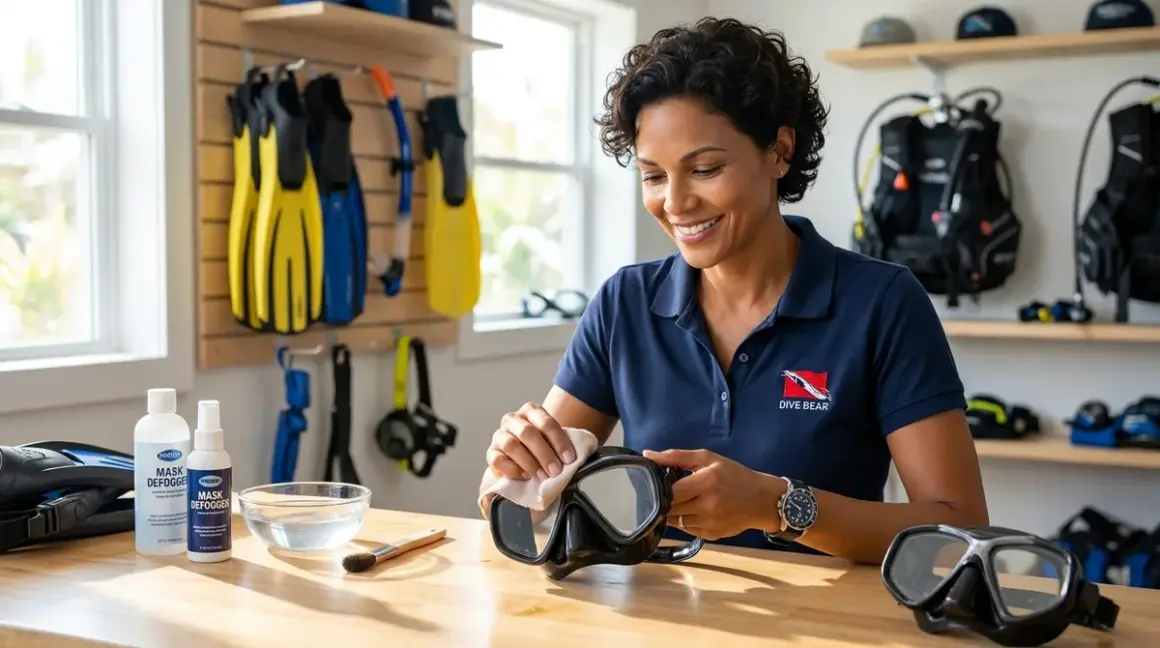

Your mask is literally the window to the underwater world, and I learned this the hard way when mine started leaking mid-dive during what should've been a perfect shark encounter off Caye Caulker. Turns out, a tiny grain of sand caught in the silicone skirt was all it took to ruin the experience. That's when I realized that a proper scuba mask maintenance checklist isn't just about making your gear last longer—it's about making sure every dive goes smoothly.
This scuba mask maintenance checklist covers everything you need to do before and after each dive, plus the deeper cleaning routines that'll keep your mask in perfect condition. Whether you're diving warm Caribbean waters like me or tackling colder environments, these steps work for every type of mask. I'm still figuring out all the gear maintenance stuff (honestly, it confused me at first too), but mask care is one area where I've learned that just a few minutes of attention makes a huge difference.
Pre-Dive Mask Inspection
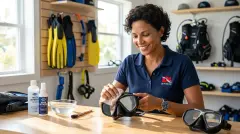
Before you even pack your gear bag, take five minutes to really look at your mask. I used to just toss mine in and go, but I've learned that catching problems on land is way better than discovering them at 60 feet.
Visual check of the skirt and lens. Look for any cracks, tears, or cloudy spots in the silicone skirt—these are usually signs that the material is breaking down. The lens should be completely clear without any scratches or delamination (that's when the layers of tempered glass start to separate, which I saw happen to a rental mask once and it was scary).
Inspect the strap and buckle system. Gently pull on the strap to make sure it's not stretched out or developing thin spots where it attaches to the buckles. The buckles themselves should click firmly and hold their position—if they're slipping, you'll be constantly adjusting underwater, which gets old fast.
Check the seal between lens and skirt. Run your finger along where the lens meets the silicone frame to feel for any gaps or separation. This is where leaks love to start, especially on older masks or ones that've been stored in hot environments (guilty—I left mine in my car trunk once and it was not happy).
Test the nose pocket flexibility. Pinch the nose pocket a few times to make sure the silicone hasn't gotten stiff or developed cracks. You need this part to stay flexible for equalizing your mask properly, and stiff silicone makes it way harder.
Examine the lens for impact damage. Hold your mask up to the light and look for tiny chips or cracks around the edges of the lens. Tempered glass is tough, but it can still get damaged if your mask gets knocked around in your dive bag. Even small cracks can turn into big problems under pressure.
Check for frame distortion. If you have a framed mask, look along the frame to make sure it hasn't warped or bent. I've seen this happen when people store their masks under heavy gear—the frame gets twisted just slightly and suddenly the seal doesn't work right.
Sniff test for material degradation. I know this sounds weird, but if your silicone skirt smells really sharp or chemical-y (not just like regular rubber), it might be breaking down. Fresh silicone has a mild smell, but degrading silicone gets pretty pungent.
Verify no sand or debris in crevices. Look in all the little corners where the strap attaches, around the nose pocket, and along the seal edges. Sand loves to hide in these spots and then work its way out during your dive to create leaks.
Pre-Dive Anti-Fog Treatment
Fogging is probably the most common mask complaint I hear from other divers, and honestly, it drove me crazy until I got my anti-fog routine down. The key is doing this right before you dive, not hours ahead.
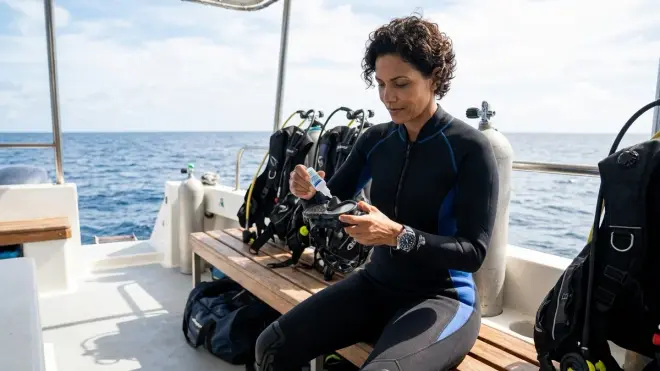
Clean the lens with defog solution. I use a commercial defog like the Stream2Sea Mask Defog because it works in saltwater and doesn't irritate my eyes, but there are tons of options. Rub a small amount on both sides of the lens—yes, inside AND outside—using your finger in circular motions.
Let the defog sit for a minute. Don't rush this part. The solution needs time to bond with the glass surface to work properly. I usually apply my defog right after I put my wetsuit on, then let it sit while I'm getting the rest of my gear ready.
Rinse gently with fresh water if available. If you're on a boat with a rinse bucket, do a quick dip to remove the excess defog solution but leave a thin film on the lens. If you're shore diving, a water bottle works great. Don't blast it with high pressure—you just want to rinse, not scrub.
Final spit-and-rinse if needed. I know some divers swear by just using spit, and honestly, it works in a pinch. If you're going that route, use a good amount, spread it around thoroughly, then rinse. Spit contains surfactants (learned that from a dive instructor) that break surface tension just like commercial defog does.
Avoid touching the inside lens after treatment. This was a mistake I made constantly when I was new—I'd apply defog perfectly, then absentmindedly touch the inside of the lens while adjusting something. Your finger oils undo all that anti-fog work instantly.
Post-Dive Saltwater Rinse

This is where I used to get lazy, especially after a long day of diving when I just wanted to get dry and eat. But skipping the rinse is basically choosing to replace your gear sooner than you need to, and as someone buying gear piece by piece, I can't afford that.
Rinse immediately after surfacing if possible. The longer saltwater sits on your mask, the more crystals form as it dries. These crystals are abrasive and can scratch your lens or degrade the silicone. On liveaboards, I literally rinse my mask in the deck bucket before I even take my BCD off.
Submerge completely in fresh water. Don't just spray the outside—actually dunk the whole mask and swish it around. Salt gets everywhere, including inside the nose pocket and around the strap attachment points.
Gently flex the skirt while rinsing. This opens up all the little folds and crevices where salt loves to hide. I learned this after finding salt crystals in the corners of my mask skirt days after a dive—those crystals had been there the whole time, slowly wearing away at the silicone.
Pay extra attention to buckle mechanisms. Salt buildup in buckles makes them sticky and hard to adjust. Hold each buckle under running fresh water while you click it back and forth a few times to flush out any salt that's worked its way inside.
Rinse the strap thoroughly. Silicone or neoprene straps both need rinsing. Salt makes them stiff and can accelerate deterioration, especially on the neoprene ones that have a fabric layer.
Check for trapped sand or debris. While you're rinsing, feel around the seal area to make sure nothing is stuck there. It's way easier to remove debris when everything's still wet than after it's dried and basically cemented itself in place.
Deep Cleaning and Storage
Every few weeks, or after any particularly sandy or murky dive, your mask needs more than just a rinse. I do this deep clean on my balcony with a bucket of fresh water and whatever cleaning supplies I have handy.
Prepare a mild soap solution. I use a tiny drop of baby shampoo in a bucket of fresh water—it's gentle, doesn't leave residue, and actually cleans well. Dish soap works too, but make sure it's the clear, unscented kind. Anything with lotions or moisturizers will leave a film that causes fogging.
Soak for 10-15 minutes. This loosens any buildup that a regular rinse wouldn't get. I've noticed that after diving in areas with a lot of organic matter in the water (plankton blooms, seagrass areas), there's a subtle film that develops on the lens that only soaking removes.
Gently scrub the skirt with a soft cloth. Use something that won't scratch—I have a dedicated microfiber cloth just for mask cleaning. Pay attention to the textured areas on the inside of the skirt where skin oils can build up.
Clean the lens with proper materials. For the inside of the lens, a soft cloth or your fingertip is fine. For the outside, if you've got stubborn spots, you can use a microfiber cloth but never anything abrasive. Tempered glass is tough but it can still scratch.
Remove and clean the strap separately. I take the strap completely off every month or so and wash it independently. This lets me check the attachment points for wear and ensures I'm getting all the salt out of those connection spots.
Rinse thoroughly to remove all soap. Leftover soap is basically guaranteed fogging for your next few dives. I rinse my mask at least three times in clean fresh water after using soap, until I can't feel any slipperiness at all.
Air dry completely before storage. Never store your mask while it's still wet—this is how mold and mildew happen, especially in humid climates like mine in Belize. I hang mine by the strap in a shaded spot (direct sunlight degrades silicone) until it's bone dry. This usually takes a few hours.
Store in a protective case. I use a hard case to prevent my mask from getting crushed in my gear bag. I learned this lesson when I found a crack in my first mask's frame after a dive trip—something heavy had pressed against it during travel. A rigid case prevents this and also keeps dust off when you're not diving for a while.
Avoid petroleum-based products. Never use anything like Vaseline, regular sunscreen, or certain hair products near your mask. Petroleum products break down silicone over time and can cause it to get cloudy or sticky. If you need to condition the skirt (which honestly I've never needed to do), there are silicone-specific products for that.
Final Check Before You Go
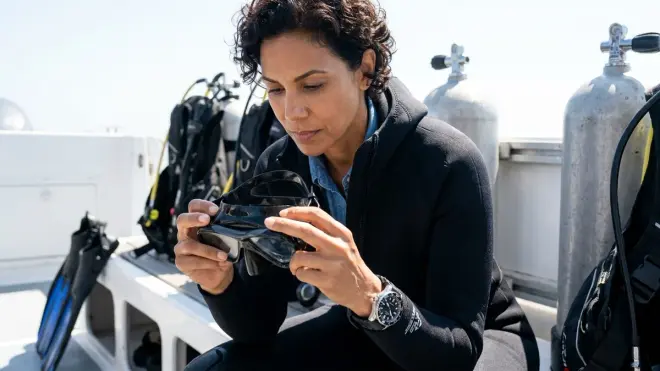
Right before you leave for your dive, do this quick mental rundown—I've started keeping this list in my phone because even after dozens of dives, I still sometimes forget things when I'm excited:
- Mask is clean and defog is applied
- No visible cracks or damage to lens or skirt
- Strap is secure and buckles function properly
- No sand or debris in the seal
- Mask is in protective case if traveling
This thirty-second check has saved me from showing up to a dive site with a fogged-up mask or a broken strap more times than I'd like to admit.
Frequently Asked Questions
How often should I replace my scuba mask? Most recreational divers should expect a quality mask to last 5-10 years with proper maintenance, though this depends heavily on how often you dive and how you care for it. Signs you need a replacement include persistent leaking that cleaning doesn't fix, cloudiness in the silicone that won't wash away, cracks in the lens or frame, or a skirt that's become stiff and no longer seals comfortably against your face. I'm still using my first mask after three years and around 80 dives, and it's in great shape because I rinse it religiously—your maintenance routine honestly makes a bigger difference than the mask's price tag in determining its lifespan.
Can I use toothpaste to defog my mask? Yes, toothpaste works as an abrasive cleaner to prepare a new mask by removing the manufacturing film, but it's not great as a regular defog solution. For breaking in a new mask (like when I got my current low-volume mask), I used regular white toothpaste (not gel) to scrub the inside of the lens thoroughly, which removed the factory coating that causes fogging. However, for pre-dive defogging, stick with actual defog solutions or spit—toothpaste is too abrasive to use repeatedly and can create tiny scratches over time that actually make fogging worse.
Is it normal for my mask skirt to change color? Some color change in silicone mask skirts is normal over time, especially if you dive frequently or store your mask in sunlight, but dramatic changes or cloudiness can signal degradation. Clear silicone naturally yellows a bit with UV exposure and age (my clear skirt has a slight amber tint now compared to when it was new), and this doesn't affect performance at all. Black silicone tends to fade to more of a charcoal gray. However, if your skirt becomes cloudy, sticky, or develops a white powdery coating, that's a sign the silicone is breaking down and you should consider replacing the mask, as it will lose its ability to seal properly and may become brittle.
Final Thoughts

I'll be honest—when I first started diving, the whole gear maintenance thing felt overwhelming. I was so focused on improving my buoyancy and not kicking coral that I didn't pay much attention to caring for my equipment. But after a few frustrating dives with a leaking mask and one really expensive replacement, I realized that this scuba mask maintenance checklist stuff isn't extra work—it's just part of diving.
The five minutes I spend rinsing and checking my mask after each dive has probably saved me hundreds of dollars in replacements and definitely saved me from missing out on great underwater moments. Plus, there's something satisfying about showing up to a dive with gear that you know is in perfect condition. You're already planning for buoyancy, navigation, air consumption, and a dozen other things underwater—you shouldn't have to worry about whether your mask is going to leak or fog up.
Your mask is your view into this incredible underwater world we get to explore. Taking care of it means every dive is clearer, safer, and more enjoyable. And honestly, once you build these habits into your routine, you don't even think about it anymore—it just becomes part of what you do between dives, like checking your dive computer settings or packing your camera gear. The ocean is waiting, and a well-maintained mask means you won't miss a second of it.