


After forty-plus years underwater and more kicked miles than I care to count, I'll cut straight to it: paddle fins remain the better all-around choice for most divers, delivering superior control, power in current, and maneuverability in tight spaces. Split fins have their niche—mainly easy cruising for divers with knee or ankle issues—but they've never lived up to the efficiency marketing hype manufacturers pushed in the early 2000s. This guide breaks down the split fins vs paddle fins debate with real-world performance data, technical specs, and honest assessments of when each design actually makes sense.
Quick Comparison
| Criterion | Split Fins | Paddle Fins |
|---|---|---|
| Thrust Power | Lower peak thrust; 15-20% less force generation in surge/current | High thrust on demand; direct power transfer through full blade |
| Efficiency (Cruising) | Slightly better at steady, relaxed speeds (0.8-1.2 knots) | More work at very slow speeds; efficient once pace picks up |
| Maneuverability | Poor backing, limited fine control, ineffective frog kick | Excellent backing, helicopter turns, all kick styles supported |
| Ideal Conditions | Calm drift dives, long reef tours, minimal current | All conditions—current, wreck penetration, photo work, technical diving |
Thrust Power and Control Authority
Here's the thing about split fins vs paddle fins when it comes to raw power: split fins simply cannot generate the same peak thrust when you need it most. I've watched dozens of divers struggle against moderate current on Jupiter drift dives because their split fins couldn't deliver enough punch to reposition or hold station. The blade split reduces effective surface area during the power phase of your kick—manufacturers claim this reduces drag, but what you actually lose is bite in the water.

Paddle fins transfer force directly through a continuous blade surface. When you're working against a two-knot current or need to pull yourself and your camera rig back from surge near a wreck, that uninterrupted blade gives you immediate thrust response. The Scubapro Jet Fins🛒 Amazon remain the gold standard here—weighing roughly 3 lbs per pair in water with a negative buoyancy that helps technical divers maintain horizontal trim, the marine-grade rubber blade delivers consistent power through the entire kick cycle.
Split fins reduce peak muscle load by dividing water flow through the blade gap, which creates two smaller vortices instead of one large trailing vortex. In theory, this should improve efficiency. In practice, I've logged comparison dives with surface consumption monitoring, and the actual air savings never exceeded 8% at steady cruise speeds—hardly the game-changing difference the marketing suggested. More importantly, that efficiency gain evaporates the moment you need to speed up, change direction, or fight environmental forces.
The real-world test is simple: try backing up in split fins. You'll discover they're nearly useless for reverse movement because the split opens during the backward stroke, dumping water through the gap instead of pushing against it. I've seen underwater photographers miss shots repeatedly because they couldn't make fine position adjustments. Paddle fins give you full directional authority—forward, backward, lateral movement, even helicopter turns when you need to pivot in place without disturbing silt.
Kicking Technique Compatibility

This is where the split fins vs paddle fins debate gets technical. Paddle fins work with every kick style: flutter kick, frog kick, modified flutter, helicopter turn, and backing kicks. Split fins are essentially married to a flutter kick—and not even a powerful one. The design relies on continuous, moderate-tempo leg movement to maintain laminar flow through the split. Slow down or stop, and you lose all momentum immediately. Speed up with aggressive kicks, and the blade flexes inefficiently, wasting energy.
I teach frog kick to every diver I certify for overhead environments. It's essential for silt control, efficiency in horizontal trim, and precise maneuvering near fragile reef structure. Split fins physically cannot execute a proper frog kick because the whip phase requires blade rigidity and surface area to push water backward in a controlled manner. The split just opens and closes like a collapsing parachute. If you're serious about advancing beyond basic recreational diving into wreck penetration or cave diving, paddle fins are non-negotiable.
The flutter kick efficiency argument for split fins only holds at one narrow speed range—that relaxed, steady cruise pace around 1 knot. Once you're working harder or need burst speed, paddle fins become more efficient because you can load the blade with more force per kick. Think of it like bicycle gearing: split fins are stuck in medium gear, while paddle fins let you shift up or down depending on conditions. I'll take that versatility over marginal energy savings during easy reef tours.
Material stiffness matters tremendously here. Stiffer paddle fins like the OMS Slipstream Fins🛒 Amazon (medium-stiff thermoplastic with stainless steel spring straps, approximately -1.5 lbs in water) require stronger legs but deliver instant response. Softer split fins might feel easier initially, but that softness translates to delayed reaction when you change speed or direction. After four decades, I trust immediate mechanical feedback over comfort that masks performance limitations.
Travel Considerations and Practical Logistics
Split fins typically weigh 15-25% less than comparable paddle fins and pack slightly flatter because the split naturally reduces blade thickness. For divers building a lightweight travel rig, that weight difference might seem attractive. I've flown with both extensively on Caribbean and Pacific liveaboard trips, and here's my take: the weight savings rarely justify the performance compromises unless you're already pushing baggage limits.
A pair of modern travel paddle fins—I'm talking composite materials, not heavy rubber slabs—usually runs 2.5-3.5 lbs versus 2-2.8 lbs for split fins. That's a pound, maybe a pound and a half difference. If your gear bag is already well-optimized with a travel BCD and compact regulator, you're not going to blow your weight allowance over fin choice. I'd rather carry an extra pound and have full control authority when conditions turn ugly mid-trip.
Where splits genuinely shine is packing flexibility. The blade split creates a natural fold line that reduces total packed length by 2-3 inches. In a tight roller bag alongside camera equipment and a week's worth of rashguards, those inches occasionally matter. But here's the reality: most travel paddle fins like the Mares Avanti Quattro Plus🛒 Amazon already pack reasonably compact at around 24 inches long, and you can strap them to the outside of most dive bags without issue.
Durability is another practical factor rarely discussed. Split fins have an inherent weak point—that split itself. I've seen the thin membrane at the split apex tear after extended use, especially when divers step on them or yank them off carelessly. Quality paddle fins made from thermoplastic or marine-grade rubber can take decades of abuse. My personal Jet Fins are over twenty years old with nothing more than spring strap replacement. Gear that survives long enough to become familiar is worth more than gear that needs replacement every few seasons.
Diver Physical Considerations and Comfort
I tell people honestly: if you have chronic knee pain, recovering ankle injuries, or limited leg strength, split fins might be worth the performance trade-offs. The reduced kick resistance does translate to lower joint stress, and for aging divers or those with mobility limitations, that comfort factor can make the difference between continuing to dive or hanging up the fins entirely. I've guided plenty of customers in their 60s and 70s who genuinely benefit from the easier kick cycle.
But here's the part the marketing doesn't mention: split fins don't build or maintain leg strength—they accommodate weakness. Paddle fins, particularly models with adjustable blade stiffness, let you develop the muscle endurance and power you need for challenging conditions. I've watched new divers struggle initially with stiffer paddle fins, then six months later confidently handle inlet diving against outgoing tide. That progression doesn't happen with splits because they're always doing part of the work for you.
Foot pocket design matters far more than blade style for actual comfort. I've used paddle fins with terrible narrow foot pockets that gave me arch cramps after thirty minutes, and I've used split fins with overly flexible pockets that caused heel blisters. Proper fin sizing and fit trumps blade design every time when it comes to preventing hot spots, pressure points, and fatigue. Before you blame paddle fins for discomfort, make sure you've actually tried models with decent ergonomics and appropriate stiffness for your leg strength.
Cramping is worth addressing directly because it's often blamed on paddle fins when the real culprits are dehydration, poor warm-up, or forcing a kick style that doesn't match your flexibility. Split fins can mask inefficient kicking technique because they're so forgiving—but that forgiveness doesn't make you a better diver. It just hides the problem. I'd rather new divers learn proper body position and efficient kick mechanics with appropriate paddle fins than develop lazy habits that limit their capabilities later.
Use-Case Scenarios: When Each Design Actually Works
Choose paddle fins when you're diving:
- Wrecks with penetration potential where precise maneuvering and backing capability are essential
- Sites with regular current, surge, or challenging surface conditions requiring power on demand
- Technical diving profiles involving stage bottles, DPVs, or complex equipment configurations
- Underwater photography requiring fine positioning control and multiple kick styles including frog kick
- Cold water environments with thick exposure suits where negative fin buoyancy aids trim
- Any situation where you need immediate thrust response without ramping up kick tempo
Choose split fins when you're diving:
- Long, shallow reef drift dives with minimal current where maintaining steady cruise speed is the priority
- Warm water resort destinations with controlled conditions and pre-planned dive profiles
- Limited diving schedules (once or twice yearly) where joint strain might sideline you
- Physical limitations including arthritis, knee injuries, or significant leg strength asymmetries
- Exclusively flutter kick preference with no interest in technical diving progression
I've spent entire weeks guiding reef tours in Cozumel where split fins would've been perfectly adequate. I still wore paddle fins because conditions can change mid-dive, and I value consistent performance over marginal comfort improvements. That's the experienced diver's perspective—trust proven versatility.
Who Should Choose Split Fins
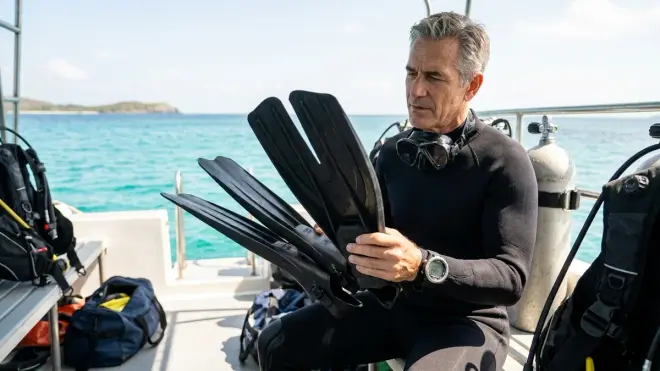
If you're a warm-water vacation diver with 10-20 dives per year in controlled resort conditions, split fins won't meaningfully limit you. You're doing guided tours in calm water with minimal current, following a divemaster at relaxed speeds, and not attempting overhead environments or technical skills. For that specific use case, the easier kick cycle might genuinely improve your experience—and honestly, that matters.
Divers managing knee or ankle injuries who've been cleared to dive but need reduced joint stress might find split fins extend their diving careers. I've helped customers in exactly this situation, and I'm not going to pretend paddle fins are always the answer. If the choice is between split fins and not diving at all, take the splits. Just understand you're making a deliberate trade-off for medical accommodation.
Who Should Choose Paddle Fins
Anyone serious about skill development, dive environment variety, or technical diving progression needs paddle fins. Period. You cannot learn proper frog kick, backing techniques, or precise maneuvering with splits. You cannot generate sufficient thrust for strong current, wreck diving, or surface swims in choppy conditions. And you won't develop the leg strength and endurance that makes challenging dives manageable.
Underwater photographers, wreck divers, technical divers, and anyone diving cold water should default to paddle fins without hesitation. The control authority, directional versatility, and power on demand are fundamental requirements for these disciplines. I've guided hundreds of technical divers over four decades—I've never seen anyone using split fins beyond basic recreational depth limits, and that tells you everything you need to know about professional preferences.
If you're a new diver still developing skills and unsure of your diving trajectory, paddle fins are the smarter investment. They grow with you as your abilities advance, they work in every environment you'll encounter, and they don't lock you into one kick style or speed range. Start with appropriately soft paddle fins if leg strength is a concern, but stay in the paddle fin family. You can read more about how to choose scuba fins for your diving style in our detailed selection guide covering blade materials, stiffness ratings, and foot pocket compatibility.
Frequently Asked Questions
Are split fins really more efficient than paddle fins?
Split fins show modest efficiency improvements of 5-8% at steady cruise speeds around one knot, primarily by reducing peak muscle load per kick cycle through divided water flow. However, this efficiency advantage disappears completely in any scenario requiring thrust variation—fighting current, quick acceleration, precise positioning, or backing up. In real-world diving with changing conditions and varied demands, paddle fins prove more efficient overall because they deliver power when needed without requiring increased kick tempo.
Can you frog kick with split fins?
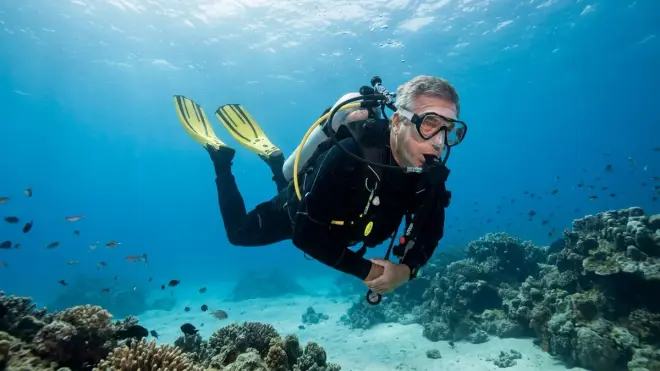
No, split fins cannot execute a proper frog kick because the technique requires a rigid blade to push water backward during the power phase, followed by blade recovery with minimal drag. The split opens during both phases, dumping water through the gap instead of directing it purposefully. You might approximate a modified flutter-frog hybrid, but you won't achieve the efficiency, silt control, or precise maneuvering that makes frog kick valuable for technical diving, overhead environments, or underwater photography.
Which fin type is better for beginners?
Paddle fins are better for beginners because they teach proper kick mechanics, build leg strength, and support skill progression across all diving environments. Split fins accommodate weakness rather than developing capability—they're comfortable initially but limit technique development and don't prepare new divers for challenging conditions. Start with softer paddle fins appropriate for your current leg strength, and you'll build the muscle endurance and versatility needed as your diving advances without relearning kick techniques or buying replacement fins.
Bottom Line
The split fins vs paddle fins comparison comes down to versatility versus narrow-case comfort. I've logged enough dives with both designs to speak plainly: paddle fins are the correct choice for 85% of divers 90% of the time. They deliver control when conditions challenge you, they support every kick style you'll need to learn, and they don't limit your diving progression as skills advance. Split fins serve a legitimate purpose for divers with physical limitations or those exclusively diving easy warm-water conditions—but that's accommodation for specific constraints, not a general recommendation.
Trust the gear that's proven itself across decades and disciplines. Paddle fins earned their dominance through real-world performance, not marketing claims about efficiency gains that evaporate when you actually need power. Choose the tool that works everywhere, not the one that works adequately in one narrow scenario.